
Automotive Prototype Metal Parts
Automotive programs move fast, and early metal parts often need to behave like production parts before permanent tooling, sourcing plans, or release schedules are fully settled. Active Manufacturing supports automotive prototyping for engineers, OEMs, and tier suppliers that need difficult metal components made for validation, launch support, bridge production, and urgent short-run needs.
Active is not positioned as a commodity high-volume automotive supplier. The best fit is complex automotive prototype metal parts, automotive metal stamping support, formed parts, laser-cut blanks, welded components, assemblies, and low-volume automotive components that require skilled people and multiple coordinated processes under one roof.
For broader market context, see Industries Served. If you already have a drawing, model, material, quantity, and timing target, request an automotive metal parts quote.
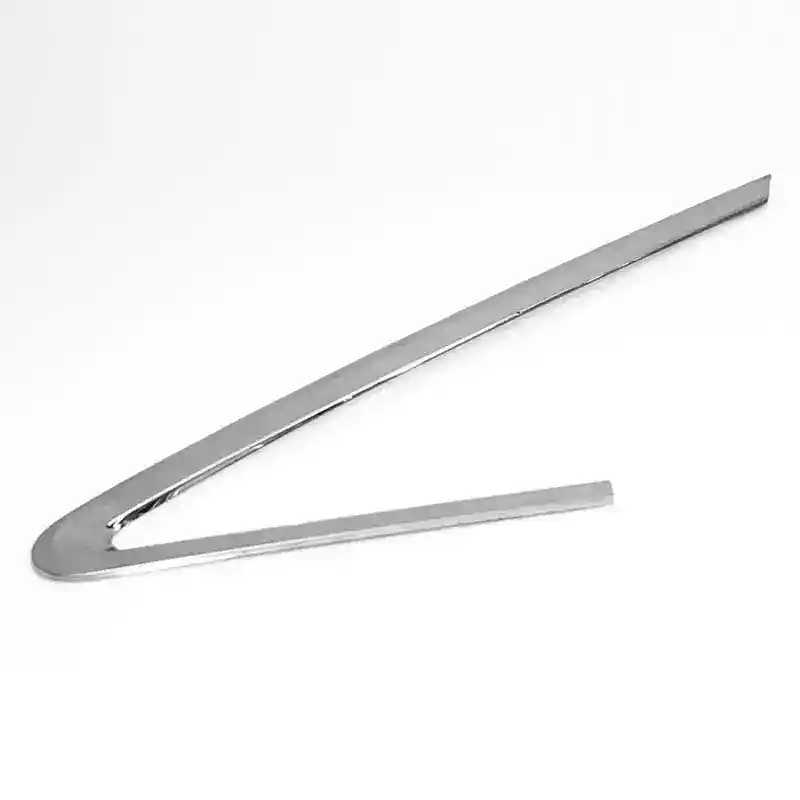
Automotive Prototype and Validation Support
Automotive prototype programs often start with a need to prove form, fit, function, manufacturability, or assembly behavior before full production investment. Active helps teams move from a CAD model, print, sample, or early design direction into real metal parts that can support engineering review and program decisions.
Typical needs include:
Automotive metal prototypes for design validation
Production-intent prototypes before dedicated production tooling
Short-run parts for test builds, trial builds, or pilot programs
Prototype brackets, clips, covers, trays, accents, and formed components
Laser-cut blanks and stamped or formed metal parts
Welded or assembled metal components for evaluation
Replacement or reverse-engineered parts where an existing sample is available
The value is not just making a single feature. Active can help determine a practical process path when a part may need cutting, forming, welding, machining, finishing, assembly, and inspection before it is useful to the automotive team.
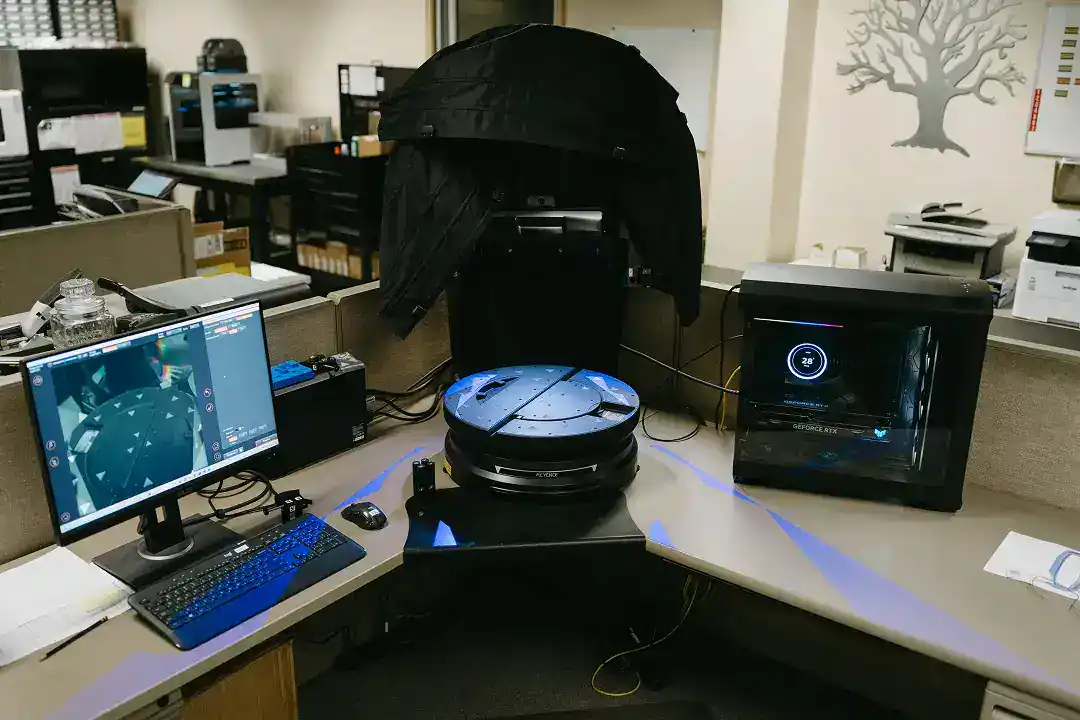
Support for Tier Suppliers and OEM Teams
Active works best with engineers, sourcing teams, program managers, and supplier-quality contacts who understand that prototype and short-run economics are different from full production pricing. The company is especially useful when a Tier 1 or Tier 2 supplier needs tier-supplier prototype support without disrupting its own high-volume production environment.
Tier suppliers may contact Active when internal equipment is not available, permanent tooling is not ready, a customer needs test parts faster than the normal production path allows, or a program requires bridge quantities before full-rate production. Active's flexible equipment strategy is built around availability, process breadth, and experienced manufacturing people, which helps when an urgent validation build needs several processes coordinated quickly.
Processes for Automotive Metal Components
Automotive parts may require one operation or a complete process sequence. Active's role is to help manufacture the metal component, not to overpromise full product design responsibility or high-volume automotive production.
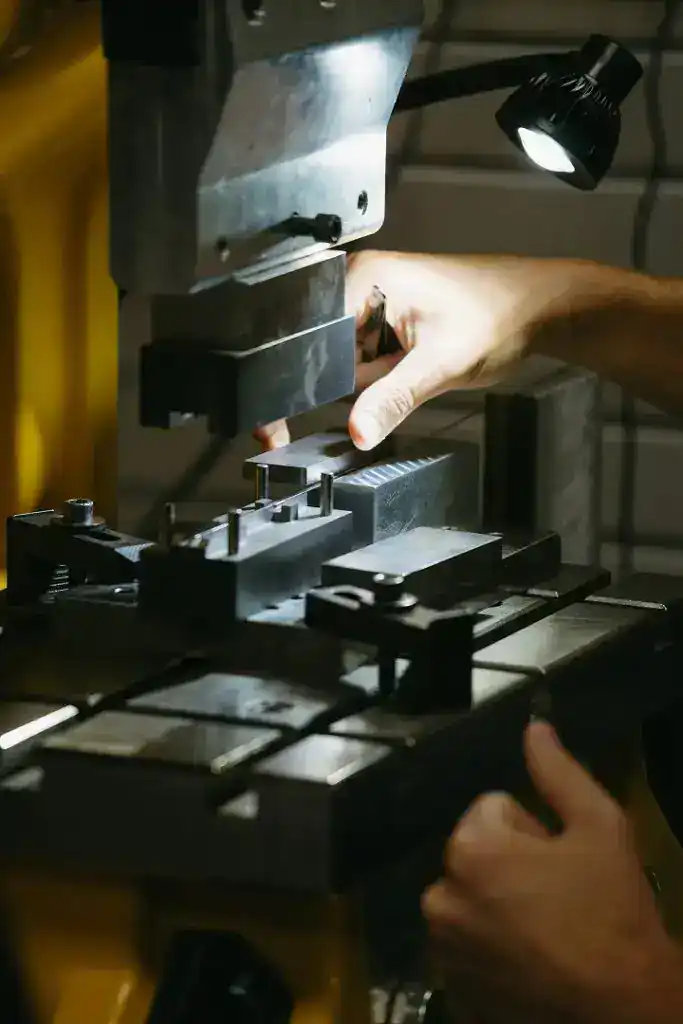
Formed prototypes and clips
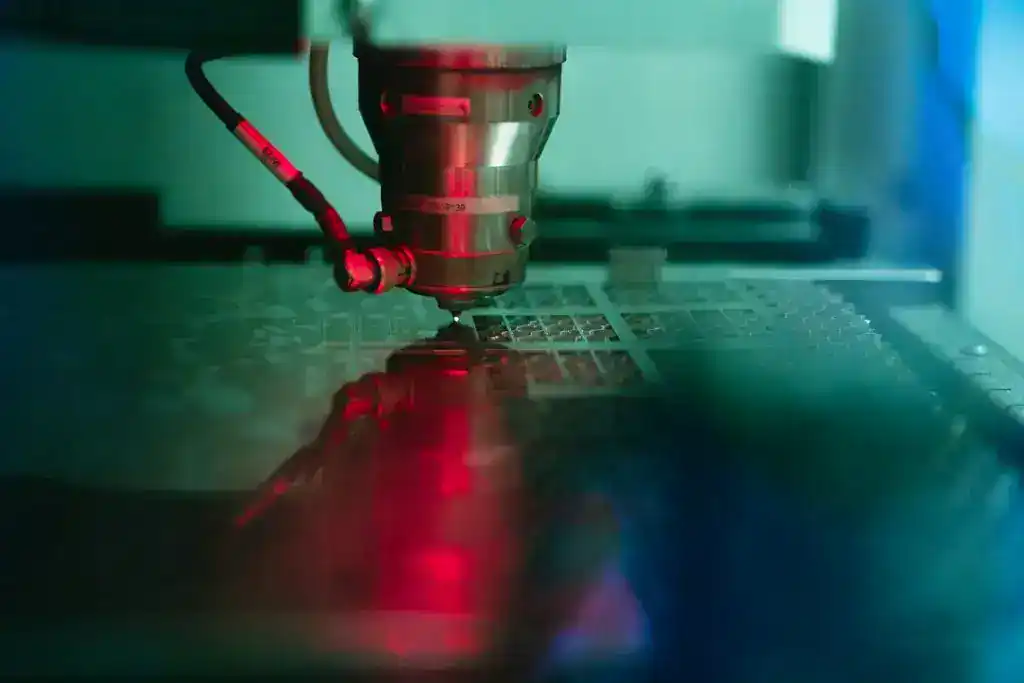
Laser-cut blanks or profiles
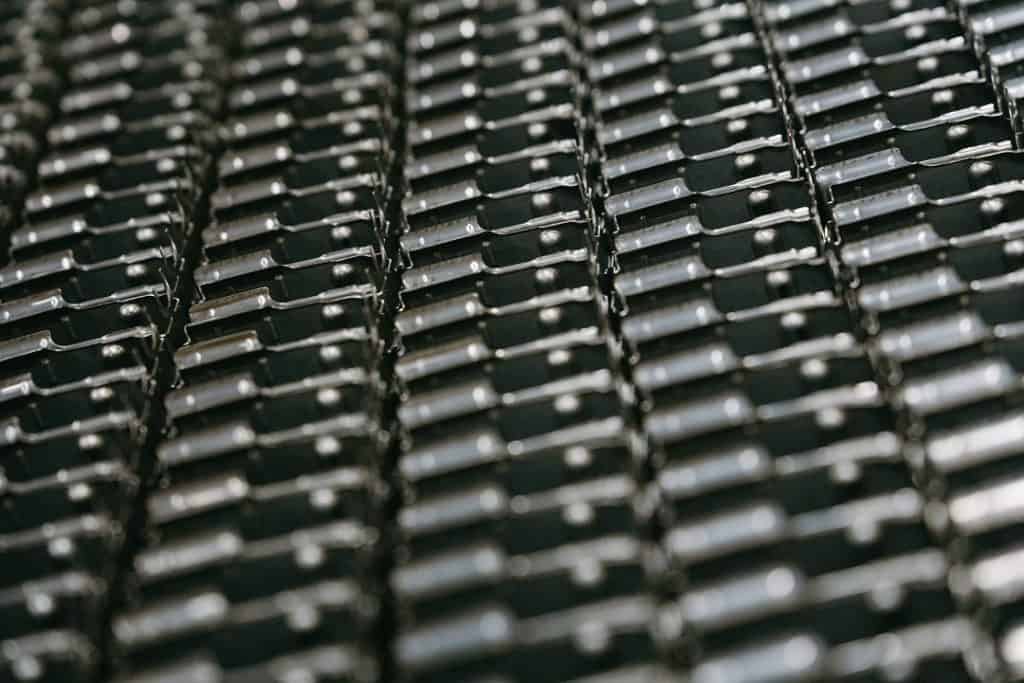
Fine-feature metal details
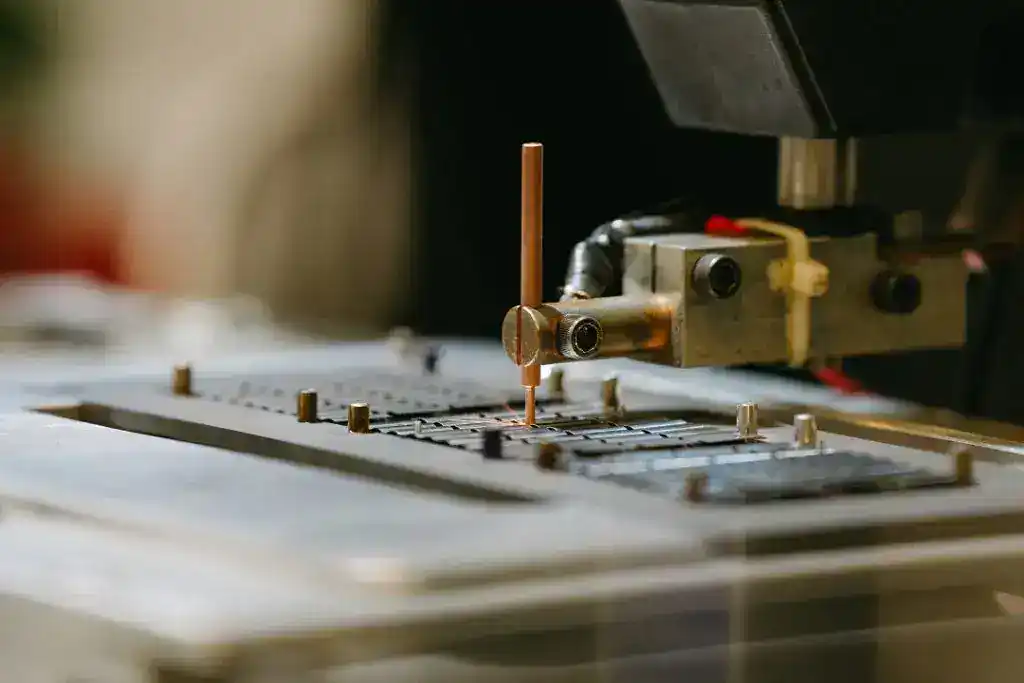
Welded or joined components
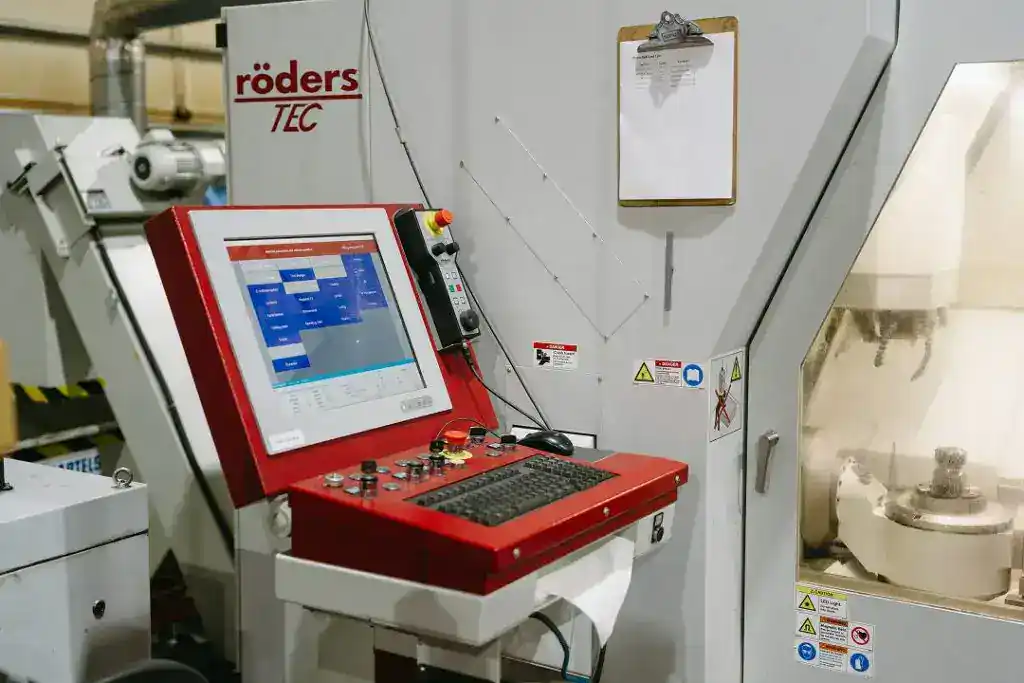
Machined prototype detail
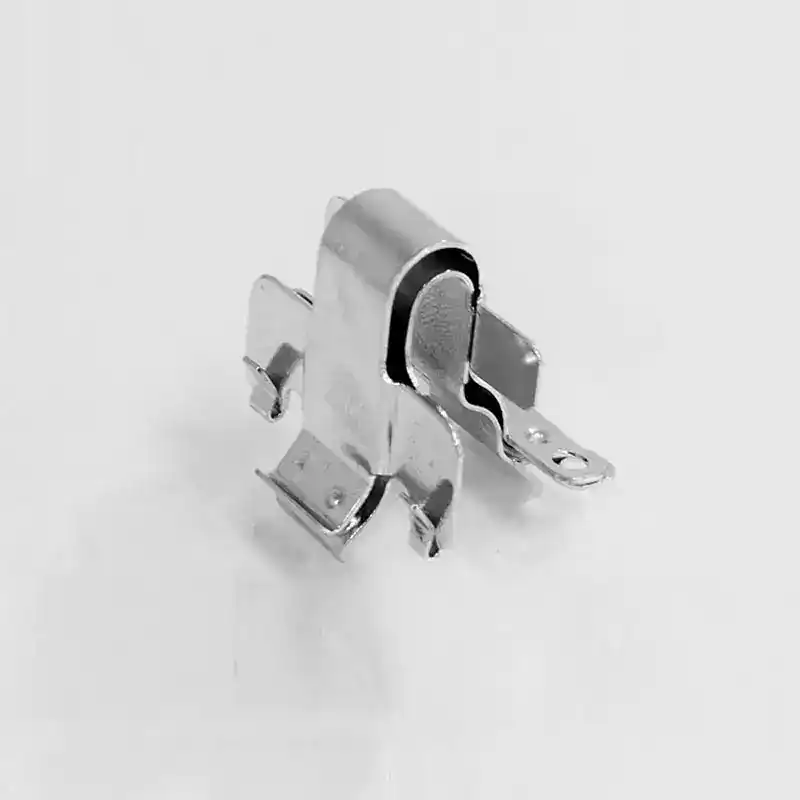
Complete part delivery
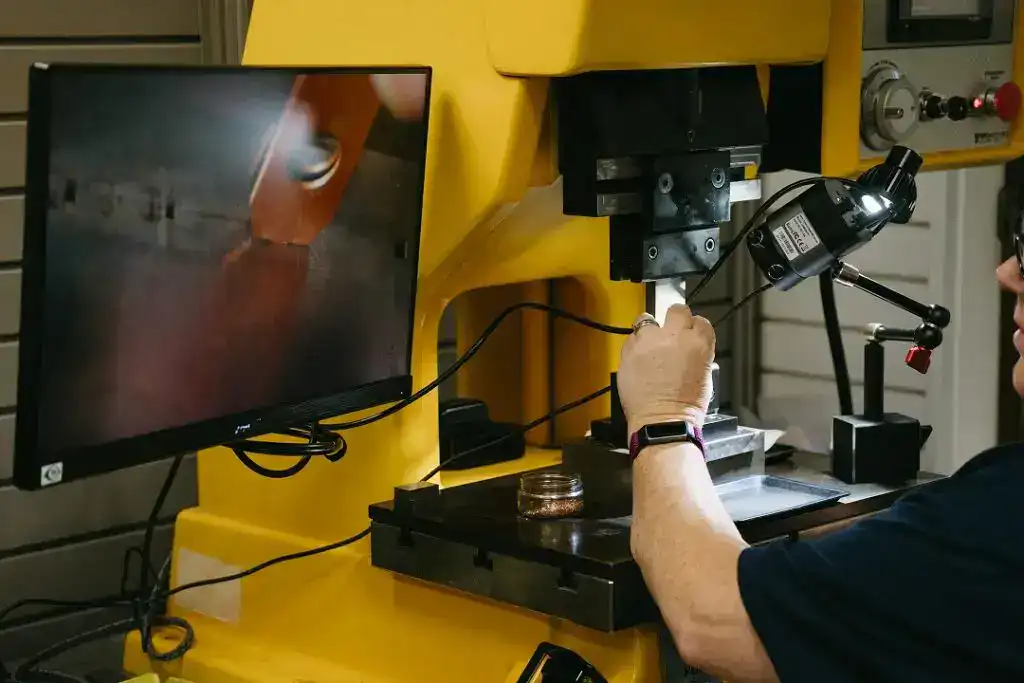
Inspection of manufactured parts
Because Active also supports tooling, fixtures, dies, and process development, the team can often think through how a part should be held, formed, joined, or inspected. Learn more about custom tooling and fixtures when process development is part of the problem.
Bridge Production and Initial Release Needs
Automotive programs can experience tooling delays, launch timing changes, supplier gaps, or early demand before the final production process is ready. Active supports bridge production automotive parts when the quantities, complexity, and schedule fit the company's short-run and low-volume model.
This is often a strong fit for initial production support before permanent tooling is complete, controlled short runs for customer builds, low-volume releases while demand is being validated, or a practical transition from prototype to repeat releases. For launch-related needs, see Bridge Production & Launch Support and Short-Run.
What Automotive Programs Are the Best Fit?
The best automotive programs for Active are difficult, technical, and time-sensitive. They usually involve metal parts that need more than a low-cost bend-and-ship fabrication path.
Good-fit examples include prototype and validation metal parts, short-run stamped or formed components, brackets, clips, trays, covers, accents, components that need cutting and joining, and low-volume automotive components that may repeat in manageable releases.
Poor-fit work includes simple commodity fabrication, high-volume production where lowest piece price is the main driver, and parts that any local fabricator can make cheaply.
Frequently Asked Questions
What automotive component programs are the best fit?
The best fit is a difficult automotive metal component that needs prototype, validation, bridge, or short-run support. Active is strongest when a project requires technical problem-solving, multiple metal processes, or production-intent thinking before full production is ready.
Can Active support bridge and initial production?
Yes, when the quantity, timing, material, and complexity fit Active's short-run model. Active can support bridge production automotive parts and initial low-volume releases, but Active is not a commodity high-volume production stamper.
Can multiple processes be coordinated for one automotive assembly?
Yes. Active can coordinate processes such as stamping, forming, laser cutting, welding, riveting, machining support, managed secondary operations, assembly, and inspection for parts it manufactures. Exact process fit depends on the drawing, material, quantity, and requirements.
Are urgent automotive prototype schedules available?
Urgent schedules may be available case by case. Active's normal production lead-time expectation is approximately 3 to 4 weeks, with expedited work evaluated based on material availability, process requirements, shop schedule, and the completeness of the RFQ information.
Still have questions?
If you have other questions that weren’t answered here, feel free to send us a message. We're happy to assist you and provide the information you need.
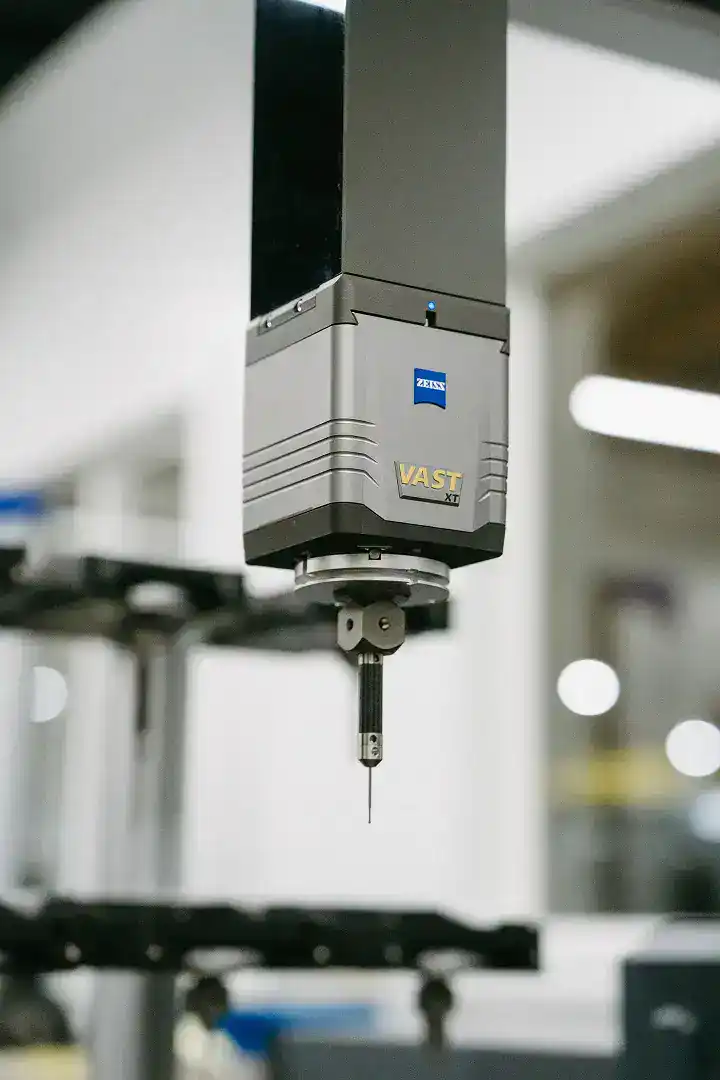
Automotive RFQ
Send the drawing, CAD model, material, quantity, target date, and any critical features, so Active can evaluate the best manufacturing path. Preferred RFQ file formats commonly include STEP, IGES, and PDF. If the project involves controlled or highly confidential information, do not upload sensitive files through a standard public form; request secure-transfer coordination instead.
Start with the Request a Quote page, or review Materials & File Formats before sending your files.