
Precision Micro Laser Cutting for Thin Metal
Micro laser cutting is built for thin materials, miniature geometries, and fine features that require more control than conventional sheet-metal laser cutting. Active Manufacturing supports engineers, OEMs, R&D teams, and sourcing groups that need small metal parts cut accurately for prototypes, validation builds, and low-volume production.
For related full-sheet or thicker-gauge work, start with our prototype laser cutting services. For miniature formed parts that need cutting plus bending or forming, review our micro metal components and micro forming capabilities.
Send a drawing, STEP, IGES, or PDF file for a micro laser cutting review.
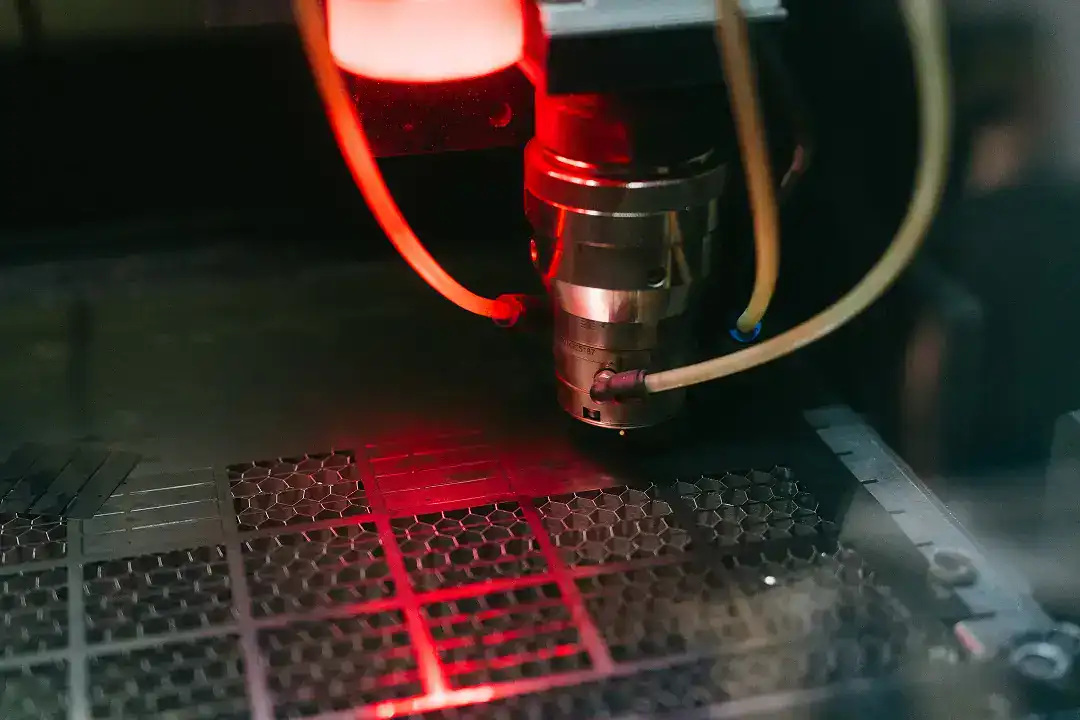
When Micro Laser Cutting Makes Sense
Micro laser cutting is often the right process when the part is too thin, too small, or too detailed for standard cutting methods. It can support fine slots, small profiles, intricate outlines, and thin metal features where burrs, distortion, and part handling are major concerns.
Active is not positioned as a commodity cutting source for simple flat blanks. The fit is strongest when the part is small, difficult, confidential, urgent, or tied to a larger prototype-to-production path.
Common project triggers include:
Thin metal prototypes that need production-intent geometry
Miniature laser cut parts for medical, electronics, aerospace, defense, or specialty equipment applications
Fine feature laser cutting where conventional laser cutting is too aggressive
Designs that require close process control before stamping, forming, welding, or assembly
Short-run parts where hard tooling is not yet justified
Supplier recovery projects where a previous method could not hold the feature or edge requirement
Thin Metal Cutting Capabilities
Active's confirmed micro laser cutting range is approximately 0.002 in to 0.020 in material thickness. Published bed sizes for micro work range from approximately 14 x 14 in to 36 x 40 in, depending on the equipment and part requirements. Typical tolerance guidance is around +/-0.002 in, with final capability depending on material, geometry, feature size, and inspection requirements.
Micro Laser Cutting Factors and Guidance
Material thickness
Approximately 0.002 in to 0.020 in
Bed size range
Approximately 14 x 14 in to 36 x 40 in
Tolerance guidance
Around +/-0.002 in, depending on the job
Best fit
Thin, miniature, fine-feature metal parts
Quote inputs
Drawing, model, material, quantity, and critical features
For material planning and file preparation, see materials and preferred file formats. Active most often works from STEP, IGES, and PDF files, with other formats reviewed case by case.
Fine Features, Prototypes, and Short Runs
Precision micro laser cutting can be useful when a design needs part-like geometry before a stamping die, forming process, or production release is finalized. It can also help when the annual volume or release quantity does not justify a dedicated hard-tooling path.
Active's advantage is not only the laser equipment. The company combines micro cutting with in-house and coordinated processes such as forming, laser welding, resistance welding, radial riveting, CNC milling, wire EDM, assembly, and inspection. That makes the process especially valuable when the cut blank is only one step in a more complex metal component.
Prototype and validation parts
Engineers can use micro laser cutting to evaluate geometry, fit, assembly behavior, and material response before committing to a higher-volume process.
Miniature production-intent components
For low-volume or recurring release work, laser micromachining can provide a practical path for small metal parts with detailed features.
Cut-to-form components
Some parts begin as thin laser cut blanks and then move into bending, forming, welding, or assembly operations. Active's broader process mix helps reduce supplier handoffs.
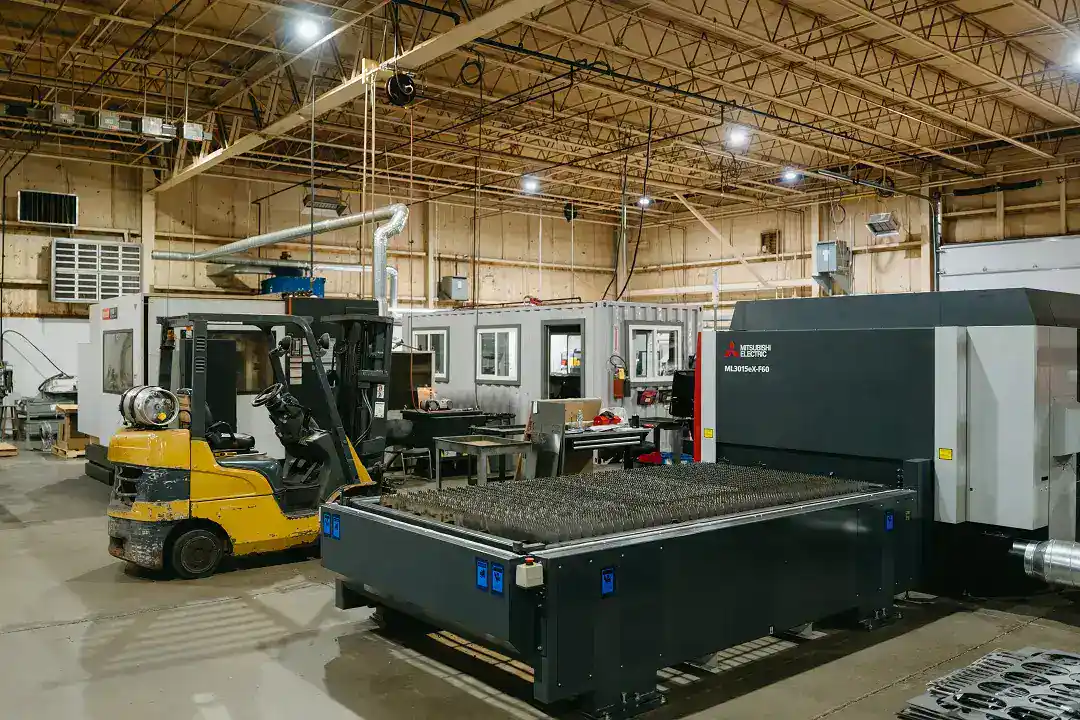
Medical, Electronics, and Specialty Applications
Medical micro laser cutting is a strong fit when thin metal components require careful handling, tight process review, and confidentiality. Active is an ISO 9001:2015 certified and ITAR registered manufacturer. Active is not ISO 13485-, AS9100-, NADCAP-, or CMMC-certified and does not claim universal compliance programs.
For medical-focused applications, see medical device metal component support. For parts that require joining after cutting, review laser welding and micro welding services.
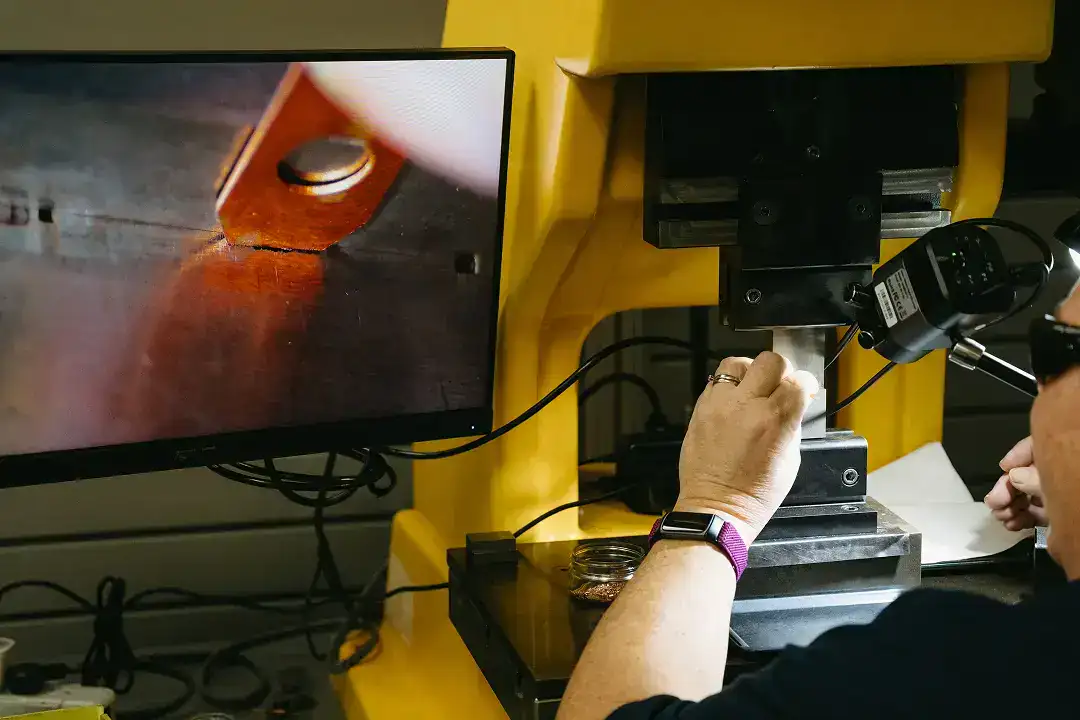
Quality Review and Inspection Planning
The best quote discussions identify the critical features early. A small inside radius, edge condition, tab width, hole size, burr limit, flatness requirement, or inspection method can change the process plan.
Helpful RFQ details include:
Engineers can use micro laser cutting to evaluate geometry, fit, assembly behavior, and material response before committing to a higher-volume process.
Active's normal production lead-time expectation is approximately 3-4 weeks, with expedited work reviewed case by case.
Micro Laser Cutting FAQs
How is micro laser cutting different from conventional laser cutting?
Micro laser cutting is focused on thinner materials, smaller geometries, and finer feature control. Conventional laser cutting is still valuable for larger or thicker sheet-metal parts, while micro laser cutting is selected when miniature geometry, part handling, and edge control become more critical.
How thin can material be for micro laser cutting?
Active's confirmed micro laser cutting range is approximately 0.002 in to 0.020 in material thickness. Exact feasibility depends on the material, feature geometry, flatness requirements, and handling needs.
What feature sizes and tolerances are possible?
Active publishes tolerance guidance around +/-0.002 in for micro laser cutting, depending on the job. Exact feature sizes should be reviewed from the drawing or CAD model because material, geometry, and inspection requirements affect what is practical.
Can micro laser cutting reduce secondary deburring?
Micro laser cutting can often reduce the mechanical burr issues associated with some cutting methods, but it does not eliminate the need to review edge requirements. Define the required edge condition and finish during RFQ review so Active can confirm whether the process can meet them without a separate deburring operation.
Still have questions?
If you have other questions that weren’t answered here, feel free to send us a message. We're happy to assist you and provide the information you need.
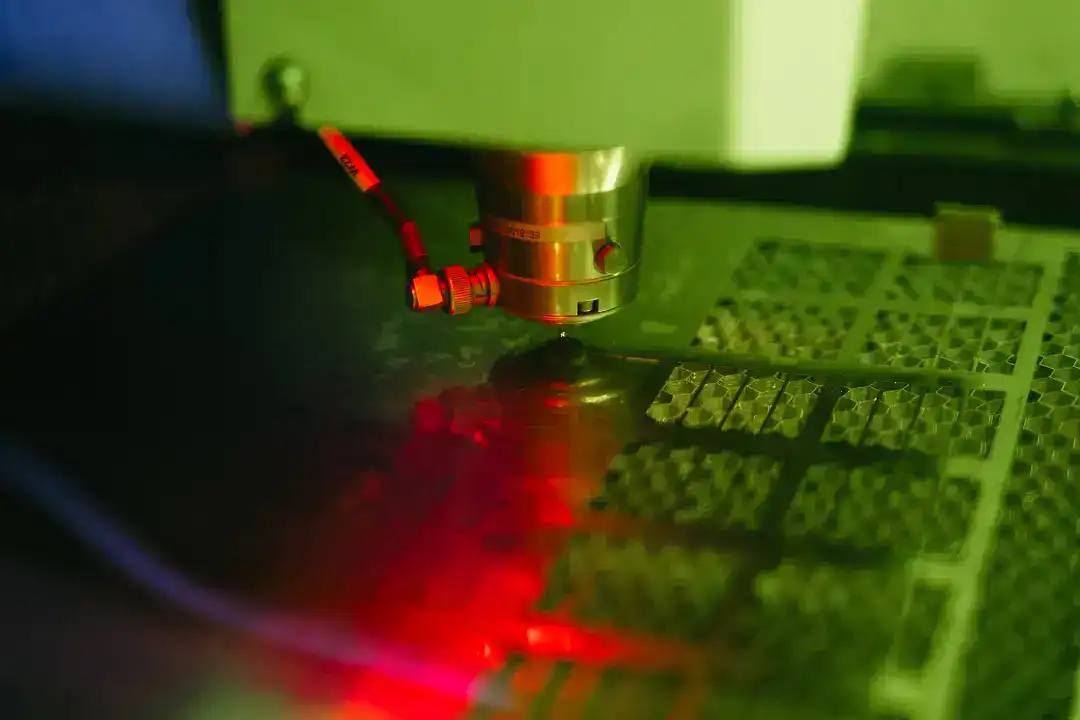
Micro Laser Cutting Quote
If your part requires thin metal laser cutting, fine features, or miniature geometry, send the drawing for review. Active will evaluate the process path, material, quantity, tolerance needs, and whether related forming, welding, assembly, or inspection should be included.
Use the custom metal parts quote form for standard files. If the project includes controlled, export-sensitive, ITAR, CUI, or NDA-restricted information, request secure transfer instead of uploading files through the public form.