
Precision Medical Metal Components
Active Manufacturing supports engineers, OEMs, and medical suppliers that need difficult metal parts made with prototype speed, short-run flexibility, and quality-controlled manufacturing discipline. If your program involves thin materials, small features, production-intent prototypes, or recurring low-volume releases, our team can help evaluate the process path and build medical device metal components with the right mix of forming, laser cutting, welding, EDM, machining, assembly, and inspection.
For early design validation, start with our custom metal prototyping team. For miniature and fine-feature work, review our micro metal component capabilities. When you are ready to share drawings, material requirements, and quantities, request a medical metal parts quote.
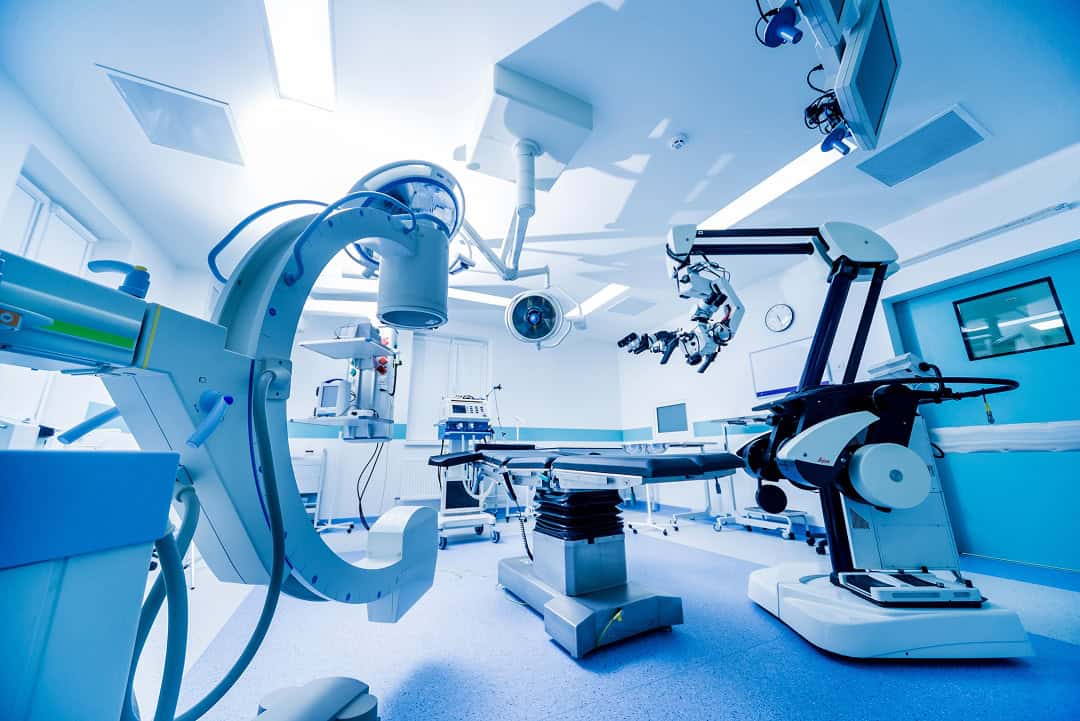
Intricate Medical Metal Components Built for Real Manufacturing
Medical programs often require more than a one-process supplier. A part may need a formed feature, laser-cut profile, welded joint, machined surface, fixture, inspection plan, and managed secondary operation before it is ready for review. Active is built for that kind of coordinated work.
We are a strong fit for medical device metal prototypes, validation parts, short-run production support, and low-volume medical components where the buyer needs practical manufacturing input early in the process. Our work is especially relevant when a design is too complex for a commodity sheet metal shop or when the buyer needs a production-intent prototype instead of a visual sample.
Potential part categories may include:
Formed clips, brackets, tabs, retainers, and flat spring-style components
Thin metal parts requiring fine features or controlled geometry
Small medical metal components produced through stamping, forming, or micro forming
Laser-cut or micro laser-cut blanks and profiles
Welded, riveted, or assembled metal subcomponents
Prototype and low-volume parts used for engineering validation
Active does not claim to design complete medical devices. We manufacture custom metal components from customer-supplied drawings, models, samples, specifications, and requirements.
Production-Intent Prototypes and Low-Volume Support
A medical prototype often has to answer more than one question. Will the geometry work? Can the material form correctly? Are the tolerances realistic? Can the part be repeated in a short-run release? Can the process be scaled or transferred later?
Active's medical work fits the bridge between early development and repeatable manufacturing. We support medical device metal prototypes with processes that can inform later production decisions, not just one-off samples. When a design moves beyond validation, we can often support low-volume medical components and recurring releases that stay within our preferred prototype and short-run model.
We are a strong match when the project involves intricate formed or stamped geometry, thin material, miniature features, confidential customer drawings, U.S.-based manufacturing support, and tight coordination between tooling, forming, cutting, welding, machining, and inspection.
Medical Metal Stamping, Forming, and Micro Work
Medical metal stamping is often the right path when a part needs repeatable geometry, formed features, clips, brackets, or spring-like behavior in thin metal. Active's stamping and forming background supports prototype and short-run work, including flat-spring and clip-style components made through forming and stamping processes. For related process details, see precision metal stamping and forming.
For miniature or fine-feature parts, micro forming and micro metal capabilities help support small components that larger or more commodity-focused suppliers may not be set up to produce. Active has confirmed stamping and micro-forming experience down to very thin material ranges, with most work beginning around 0.003 inch and thicker and some experience down to approximately 0.001 to 0.002 inch material depending on the job.
Medical Metal Fabrication Without Generic Fabrication Positioning
Active does not position itself as a generic fabrication shop. In the medical market, medical metal fabrication usually means controlled, coordinated metal manufacturing around a specific engineered component. That may involve laser cutting, forming, welding, CNC milling, EDM, fixture development, inspection, and managed outside finishing or secondary work.
This matters when a medical supplier needs one manufacturing partner to coordinate multiple steps rather than sending a small but critical component through several unrelated vendors. Related capabilities include laser welding and micro welding and wire EDM and EDM hole drilling.
Inspection, Quality, and Documentation
Medical buyers need confidence that parts will be checked, documented, and handled with care. Active is an ISO 9001:2015 certified metal manufacturer and supports inspection for the parts it manufactures. Available inspection and documentation depend on the part, print, customer requirements, and approved quote scope.
Typical quality support may include dimensional inspection, critical-feature review, first-article-style documentation when defined in the quote, and traceability-related information when customer requirements are provided. For more detail, review inspection and quality control and quality, certifications, and compliance.
Active's verified trust anchors include ISO 9001:2015 certification and ITAR registration. Active is not ISO 13485, AS9100, or NADCAP certified. Project-specific PPAP, SPC, documentation, and partner-managed finishing requirements must be reviewed during quoting.
Confidentiality and Secure Drawing Handling
Medical development work often involves confidential designs, unreleased programs, and part images that cannot be shown publicly. Active's website uses NDA-safe examples where possible, but many current projects cannot be displayed because of customer confidentiality.
For RFQs, standard uploads are appropriate for ordinary drawings and files up to the stated form limit. If your project involves controlled, sensitive, confidential, or export-controlled information, do not upload those files through a standard public form. Use the RFQ form to flag that secure transfer is needed, and Active will coordinate the appropriate portal or folder access and NDA requirements. Preferred file formats include STEP, IGES, and PDF. For material and upload guidance, visit materials and file formats.
Medical Component RFQ Checklist
To help Active evaluate precision medical parts quickly, include as much of the following as possible:
The most useful specialty-alloy RFQs include:
Normal production lead time is typically about 3 to 4 weeks, with expedited work reviewed case by case.
Frequently Asked Questions
What medical metal components can Active manufacture?
Active can manufacture custom metal components for medical suppliers when the project fits our prototype, short-run, and low-volume model. Relevant examples include formed clips, brackets, retainers, thin metal parts, micro medical components, laser-cut profiles, welded subcomponents, and assembled metal parts made from customer-supplied requirements.
Can Active support production-intent medical prototypes?
Yes. Active is especially well suited for production-intent prototypes where the part needs to be made with realistic metal manufacturing processes such as stamping, forming, laser cutting, welding, EDM, CNC milling, tooling, fixture work, and inspection.
What inspection and documentation are available for medical parts?
Inspection and documentation depend on the drawing, tolerance requirements, customer specifications, and quote scope. Active supports inspection for parts it manufactures and can discuss dimensional inspection, first-article-style documentation, and traceability-related requirements when they are defined up front.
How are confidential medical drawings and part images protected?
Active works with confidential customer information and uses NDA-safe proof on the website. Sensitive files should not be uploaded through an ordinary public form. If secure transfer is needed, note that in the RFQ request so Active can coordinate portal or folder access and any NDA requirements.
Still have questions?
If you have other questions that weren’t answered here, feel free to send us a message. We're happy to assist you and provide the information you need.
Start a Medical Metal Component Review
If your medical program needs a difficult prototype, a low-volume release, or a manufacturing partner that can coordinate multiple metal processes under one roof, Active can review the print, material, quantity, tolerances, and schedule. Send the information you can share, note any confidentiality requirements, and our team will help determine whether the project is a strong fit.
Request a quote for medical device metal components or explore additional industries served by Active Manufacturing.