
Custom Metal Assemblies and Secondary Operations
When a metal part needs more than cutting, forming, or machining, Active Manufacturing helps bring the pieces together. Our metal assembly services support engineers, OEMs, Tier 1 and Tier 2 suppliers, R&D teams, sourcing teams, and program managers that need complete prototype, short-run, and low-volume metal parts without managing every joining, riveting, finish, and inspection step separately.
Active is a family-owned, U.S.-based custom metal prototyping and short-run production partner with coordinated processes under one roof. For assemblies that involve welding, formed components, machined details, secondary hardware, or outside finishing, our team helps define a practical build path and keeps the work aligned with the drawing, purchase order, and quality requirements.
Need a joined or finished metal part? Review our related laser welding and micro welding capabilities, then send drawings, quantities, materials, and requirements through our custom metal parts quote request.
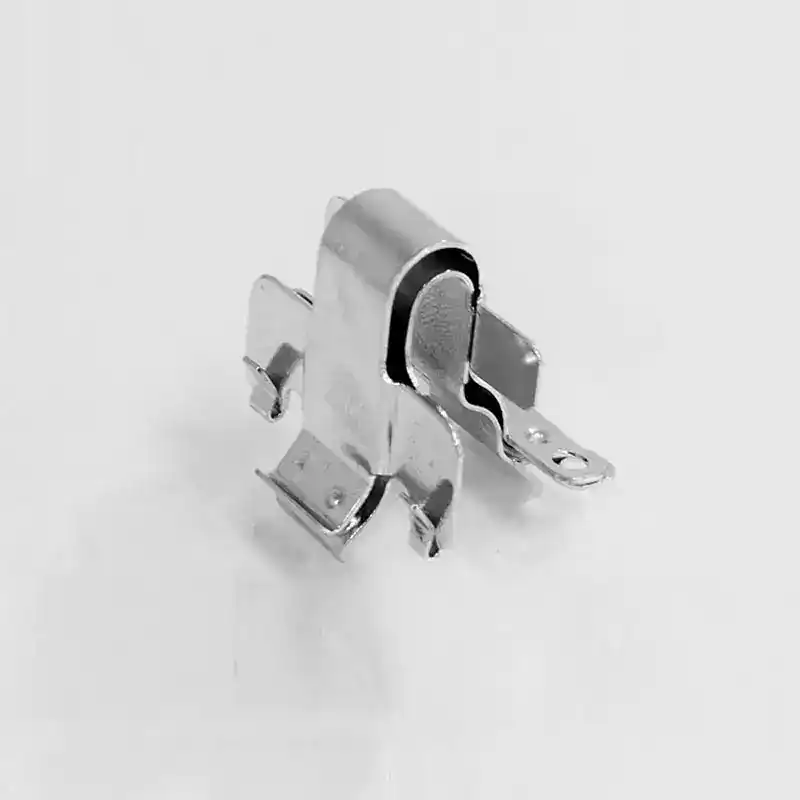
Complete Metal Assembly Support
Active supports custom metal assemblies when the project calls for multiple parts, multiple processes, or more than one manufacturing step before delivery. That may include production-intent prototypes, validation parts, launch support, recurring low-volume releases, or short-run assemblies that need to be repeatable without becoming high-volume commodity work.
Our value is coordination. A part may begin with laser cutting, stamping, forming, micro forming, wire EDM, CNC milling, or tooling support. From there, the assembly may need welded joints, resistance welding, micro spot welding, radial riveting, hardware, outside heat treatment, plating, passivation, or other secondary metal operations. Active helps connect those steps into a controlled manufacturing plan.
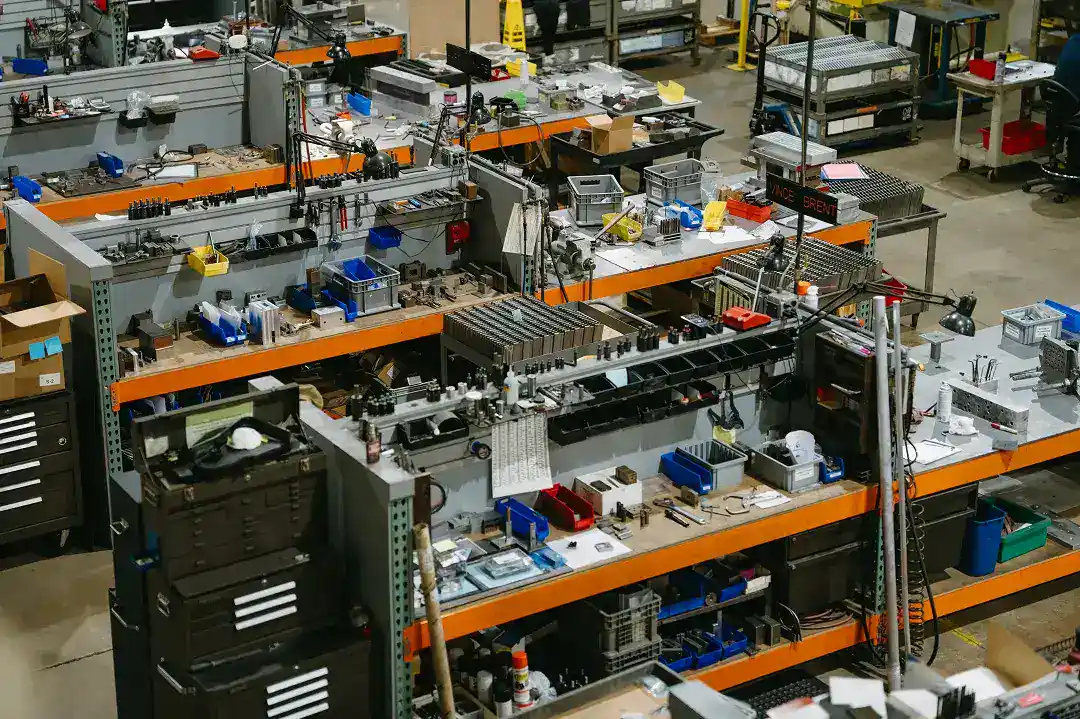
Welding, Riveting, and Joining Options
Welded Metal Assemblies
Active supports welded metal assemblies through in-house welding capabilities that include laser welding, micro welding, micro spot welding, resistance welding, MIG, and TIG capabilities referenced in the company's equipment and process history. Exact process selection depends on part material, thickness, joint design, geometry, access, and the functional requirements of the assembly.
Laser and micro welding can be valuable for precision metal assembly work where heat input, joint size, part geometry, or appearance matters. Resistance and spot welding may be appropriate for sheet metal assembly work, electrical contact-style features, brackets, clips, or small joined components, depending on the project. For welding-specific details, visit Laser Welding & Micro Welding.
Radial Riveting Services
Active also provides radial riveting services for applications where a mechanical joint is a better fit than a welded joint. Riveting can support assemblies that need controlled fastening, stacked components, pivot-style features, retained parts, or joints where welding is not the preferred process.
The right fastening method depends on the design, material stack, functional movement, load expectations, finish needs, and inspection requirements. If the design is still being developed, our team can discuss whether riveting, welding, forming, or a combination of operations is the better path.
Secondary Metal Operations and Managed Finishing
Many prototype and short-run projects require more than the operations Active performs directly. Active can coordinate selected secondary metal operations so buyers are not left managing every outside step on their own.
Common coordination needs may include heat treatment, passivation, plating, electropolishing, powder coating, e-coating, and painting when those operations are appropriate for the project. Active coordinates approved finishing and secondary operations through qualified partners and incorporates them into the overall build; these operations are not presented as in-house finishing services.
If your assembly has material or file-format questions, our Materials & File Formats page explains the preferred RFQ inputs.
Built for Prototype and Low-Volume Assemblies
Active is a strong fit when a project needs difficult metal parts, production-intent prototypes, bridge production, or repeat low-volume releases. We are often involved when a design needs more than one process to become a complete part.
Good-fit assembly projects often include:
Prototype assemblies that must behave like production parts
Short-run assemblies built in recurring low-volume releases
Metal brackets, clips, frames, contacts, formed parts, or welded subcomponents
Components that combine formed, laser cut, machined, EDM, or welded features
Assemblies that need inspection before delivery
Projects where Active can reduce supplier handoffs by coordinating several steps
For repeat release work, see our short-run and low-volume metal production page. For manufacturing planning, fixtures, and process support, visit Tooling, Fixtures & Process Development.
Quality Control for Complete Parts
Assembly quality depends on more than the final join. It depends on the process path, the fit of mating parts, the control of critical features, and the inspection plan.
Active's quality and inspection resources support the parts and assemblies we manufacture. Depending on the project, checks may include dimensional inspection, visual review, feature verification, or documentation aligned with the print and purchase order. Required inspection deliverables should be identified during quoting so expectations are clear before production begins.
Learn more on our Inspection & Quality Control page and verified trust anchors on Quality, Certifications & Compliance.
FAQ: Metal Assembly Services
Which metal assembly processes are available?
Active supports metal assembly services that may include laser welding, micro welding, resistance welding, micro spot welding, MIG, TIG, radial riveting, and coordinated secondary operations. The best process depends on material, geometry, joint design, production quantity, and performance requirements.
Can Active coordinate plating, heat treatment, or other finishes?
Yes. When required for an accepted project, Active can coordinate heat treatment, passivation, plating, electropolishing, powder coating, e-coating, and painting through qualified partners. Include finish specifications with the RFQ whenever available.
How are outside secondary processes documented and controlled?
Outside processes should be controlled according to the drawing, purchase order, and agreed project requirements. Exact documentation needs should be stated during quoting, especially for medical, defense, aerospace, automotive, or other controlled applications.
Can Active build and inspect a complete low-volume assembly?
Yes, when the project fits Active's capabilities, the team can manufacture, assemble, coordinate secondary work, and inspect a complete low-volume metal assembly. Share the drawing, CAD file, material, quantity, finish requirements, and critical features so the team can evaluate the build path.
Still have questions?
If you have other questions that weren’t answered here, feel free to send us a message. We're happy to assist you and provide the information you need.
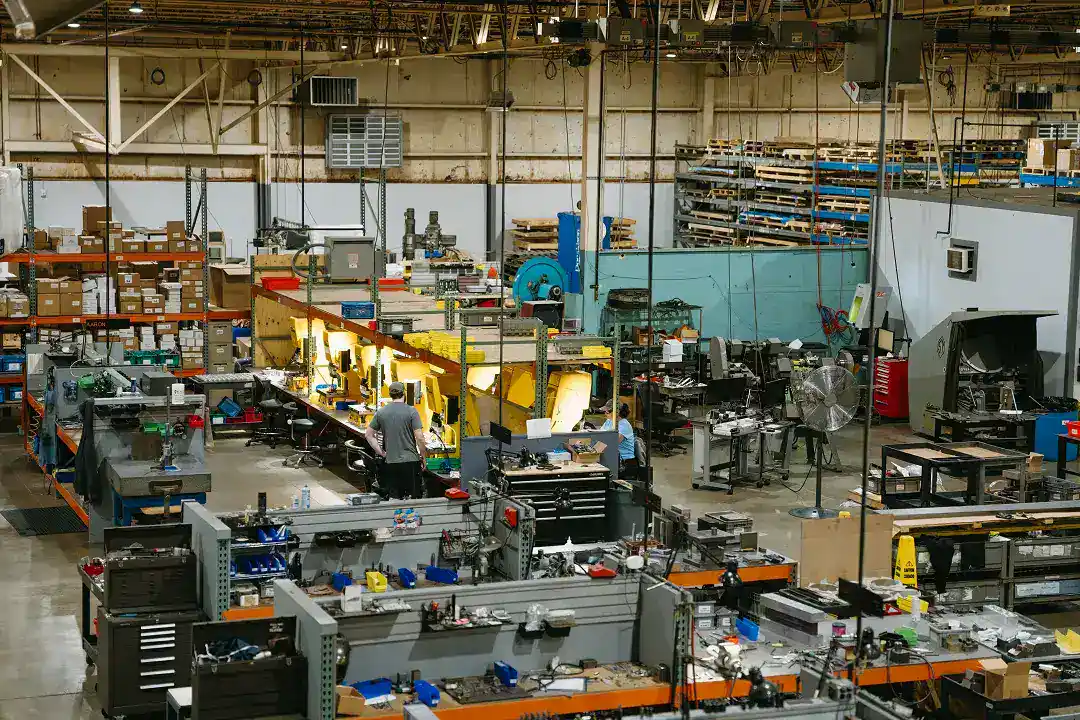
Start an Assembly RFQ
If your project needs custom metal assemblies, welded joints, riveting, secondary operations, or managed finishing, send the available drawings, CAD files, material, quantity, and timeline. For controlled files, do not upload sensitive information through the standard public form; request secure-transfer coordination instead.
Submit your metal assembly RFQ and Active will review whether the project is a fit for prototype, short-run, or low-volume production support.