
Metal Components for Power and Energy Programs
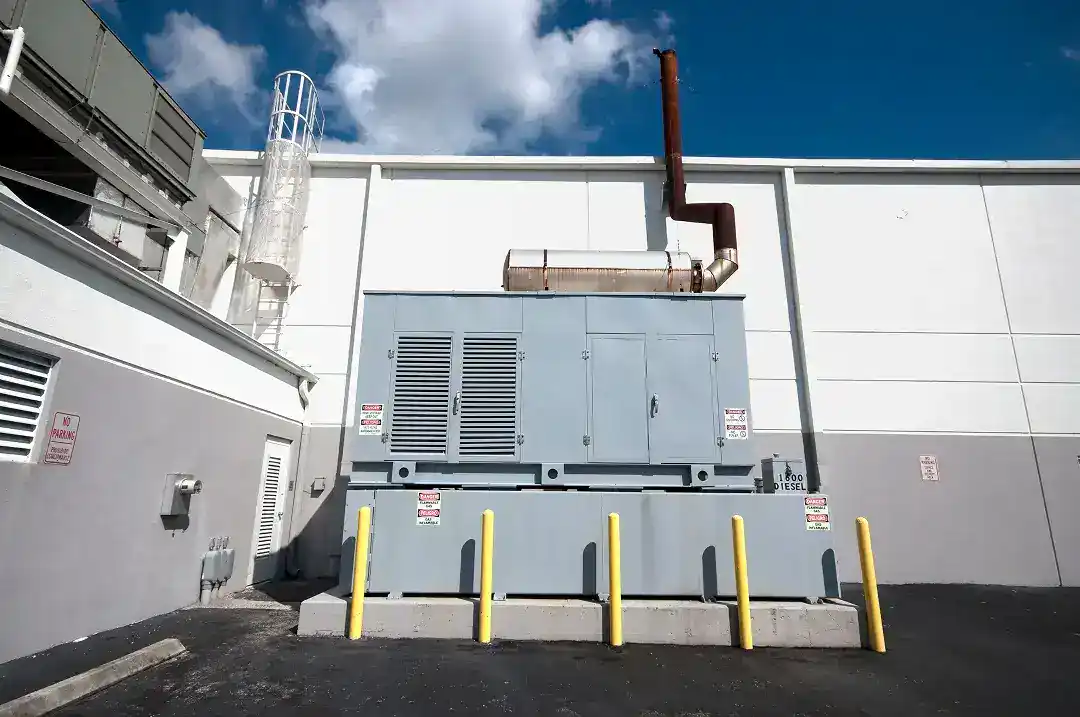
Program-Fit Metal Parts for Demanding Applications
Energy, power-generation, nuclear-related, and specialized industrial programs often need more than a commodity fabricator. Buyers may be replacing a difficult component, validating a production-intent prototype, supporting a limited release, or searching for a U.S.-based supplier that can coordinate multiple metal processes under one roof.
Active Manufacturing reviews power generation components and related industrial RFQs on a program-fit basis. Our best fit is difficult custom metal work that benefits from prototype thinking, short-run production experience, controlled inspection, and practical manufacturability support.
For a broader view of the markets we support, visit Industries Served. If your project is already defined, you can start with a custom metal parts quote.
Send drawings, material requirements, quantities, and program notes for review.
Energy and Power-Generation Component Support
Active is a custom metal prototyping and short-run production partner, not a catalog component supplier. We support engineered metal parts where geometry, material, quantity, timing, or documentation requirements make the job a better fit for a specialized manufacturing team.
Potential fits may include:
Prototype or short-run power generation metal components
Brackets, shields, clips, formed parts, and machined details
Welded or joined metal subcomponents
Replacement or redesign support for hard-to-source metal parts
Limited-release energy metal components
Components that require laser cutting, stamping, forming, CNC milling, EDM, welding, assembly, or inspection coordination
We do not claim to manufacture every type of power-generation part. Instead, our team evaluates each RFQ against material, process, tolerance, documentation, certification, confidentiality, and timing requirements.
Where Active Is Usually the Best Fit
Prototype and Short-Run Needs
Many energy and industrial programs do not begin with mass-production tooling. They begin with a drawing, a model, an old sample, or a small batch requirement. Active is positioned for that stage: production-intent prototypes, engineering validation parts, bridge quantities, and recurring low-volume releases.
Our short-run and low-volume metal production support is strongest when a buyer needs reliable parts without turning a low-volume program into a high-volume production sourcing exercise.
Replacement and Legacy Components
Some inquiries involve short-run replacement components for older equipment or specialized industrial systems. In these cases, the buyer may have a print, partial documentation, or an existing part that needs to be evaluated. Active can review whether the component is a fit for its manufacturing processes, materials, and inspection approach.
If reverse engineering, fixtures, gauges, or process planning are needed, the project may also involve custom tooling and fixtures.
Difficult Specialty Metal Work
Active is often a fit when conventional suppliers decline a part or when a buyer needs several processes coordinated correctly. Depending on the part, a project may involve laser cutting, precision forming, CNC milling, wire EDM, EDM hole drilling, laser welding, resistance welding, radial riveting, assembly, and inspection.
For joined parts, subassemblies, and coordinated outside secondary operations, see metal assemblies and secondary operations.
Materials and Documentation Review
Energy and industrial parts can involve specific material, finish, hardness, heat-treatment, or traceability requirements. Active reviews these requirements before accepting the work. The team works with most metals, but not every material or process condition is a fit.
High-performance alloy components may be considered when the material, geometry, documentation, and process path align with Active's capabilities. Buyers should provide:
Material specification and condition
Drawing or CAD model
Quantity and release expectations
Critical features and tolerances
Required secondary operations or finishes
Any required traceability, inspection, or certificate documentation
Program-specific compliance requirements
For preferred file types and material guidance, review Materials & File Formats. Preferred RFQ formats commonly include STEP, IGES, and PDF, with other formats reviewed case by case.
Nuclear-Related Inquiries Are Reviewed Carefully
Active may review nuclear metal components or nuclear-related inquiries on a case-by-case basis, but Active does not claim nuclear certification, nuclear-grade qualification, or approval for regulated nuclear applications.
If your inquiry is nuclear-related, the RFQ must clearly identify the applicable requirements. Active will evaluate whether the project fits its current quality system, documented capabilities, supplier controls, inspection methods, and any customer-specific requirements.
What Active Will Not Assume
Active does not claim:
Nuclear certification or nuclear quality-program approval
AS9100 certification
NADCAP accreditation
CMMC certification
Universal DFARS compliance
Universal PPAP, SPC, or first-article documentation for every job
That all finishes or outside operations are performed in-house
Verified trust anchors include ISO 9001:2015 certification, ITAR registration, U.S. manufacturing, Precision Metalforming Association membership, and 40 years in business in 2026. For details, see Quality, Certifications & Compliance.
Inspection and Quality Expectations
Power, energy, and specialized industrial programs often depend on clear expectations before production begins. Active's inspection and quality-control approach is tied to the parts it manufactures, not a standalone third-party inspection service.
Depending on the job, inspection may address dimensional requirements, critical features, print specifications, customer notes, and agreed documentation. If a specific inspection package is required, it should be stated at RFQ stage, so the team can quote the work accurately.
Learn more about manufacturing quality inspection for Active-produced prototype and production parts.
FAQ
What energy and power-generation components can Active support?
Active can review custom metal prototypes, short-run parts, replacement components, formed parts, machined details, welded components, and small assemblies for energy, power-generation, and specialized industrial programs. The best-fit work is difficult, engineered, low-volume, or process-intensive.
Can Active review nuclear-related component inquiries?
Yes, Active can review nuclear-related inquiries on a case-by-case basis. However, review does not imply nuclear certification, nuclear-grade approval, or acceptance of regulated nuclear requirements. The RFQ must identify all applicable program, documentation, traceability, and certification requirements.
What traceability and documentation are available?
Documentation depends on the job requirements agreed during quoting. Buyers should identify any material certificates, inspection reports, first-article expectations, traceability needs, or customer-specific forms before the quote is finalized. Active will confirm what can be supported for the specific part.
How are program-specific certification requirements evaluated?
Active evaluates certification requirements against verified capabilities and current approvals. If a program requires a certification Active does not hold, such as AS9100, NADCAP, CMMC certification, or a nuclear-specific approval, the team will identify the gap rather than imply compliance.
Still have questions?
If you have other questions that weren’t answered here, feel free to send us a message. We're happy to assist you and provide the information you need.
Start a Program-Fit Review
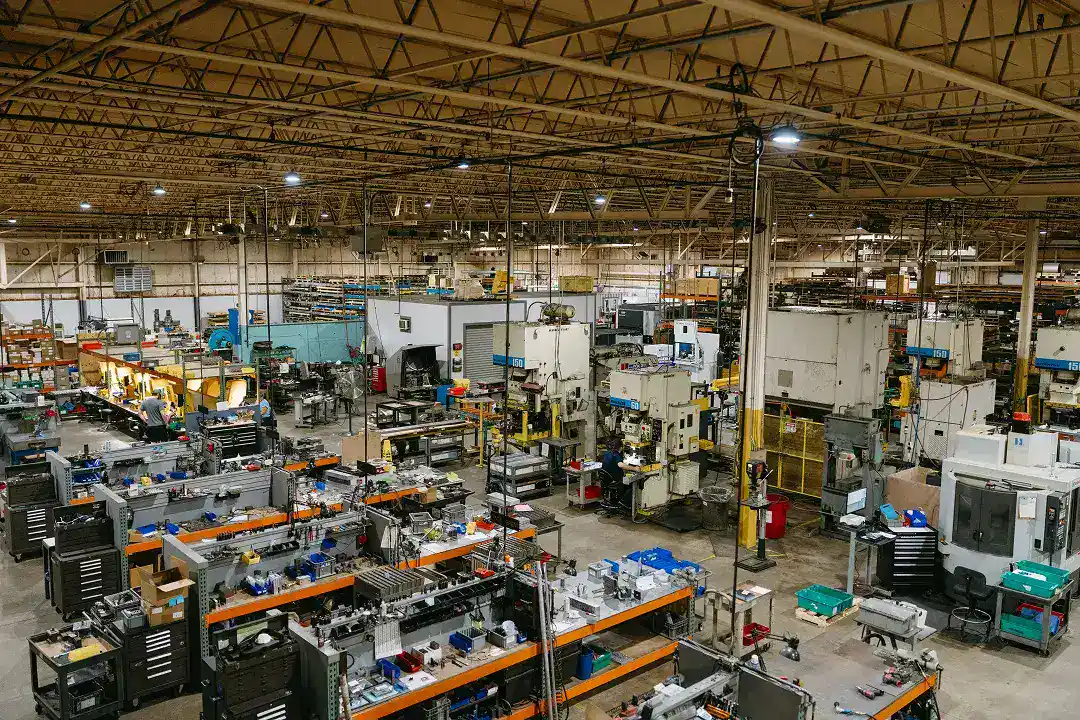
If you need specialized industrial metal parts or power-generation-related components, send the information your team already has. A complete print is helpful, but early-stage inquiries can begin with a CAD model, drawing, old sample, material requirement, quantity target, and need date.
For controlled, export-controlled, or sensitive files, do not upload them through a standard public form. Use the RFQ to request secure-transfer coordination instead.
Request a manufacturing review to confirm process fit, documentation needs, and next steps for your energy or specialized industrial component.