
Micro Stamping for Miniature Metal Components
When a part becomes too small, too thin, or too feature-sensitive for ordinary forming, the process has to be controlled from the first review of the print. Active Manufacturing supports micro metal stamping, micro metal forming, and related prototype-to-short-run work for engineers who need miniature metal components made with practical manufacturing input.
This page is for small stamped and formed metal parts where material behavior, tooling approach, part handling, and inspection all matter. For broader stamped parts, start with our precision metal stamping and forming capabilities. For a micro part that needs cut features before or after forming, review micro laser cutting and fine-feature metal cutting as well.
Ready to review a small formed part? Send a drawing, model, material, quantity, and critical-feature notes through our custom metal parts quote request.
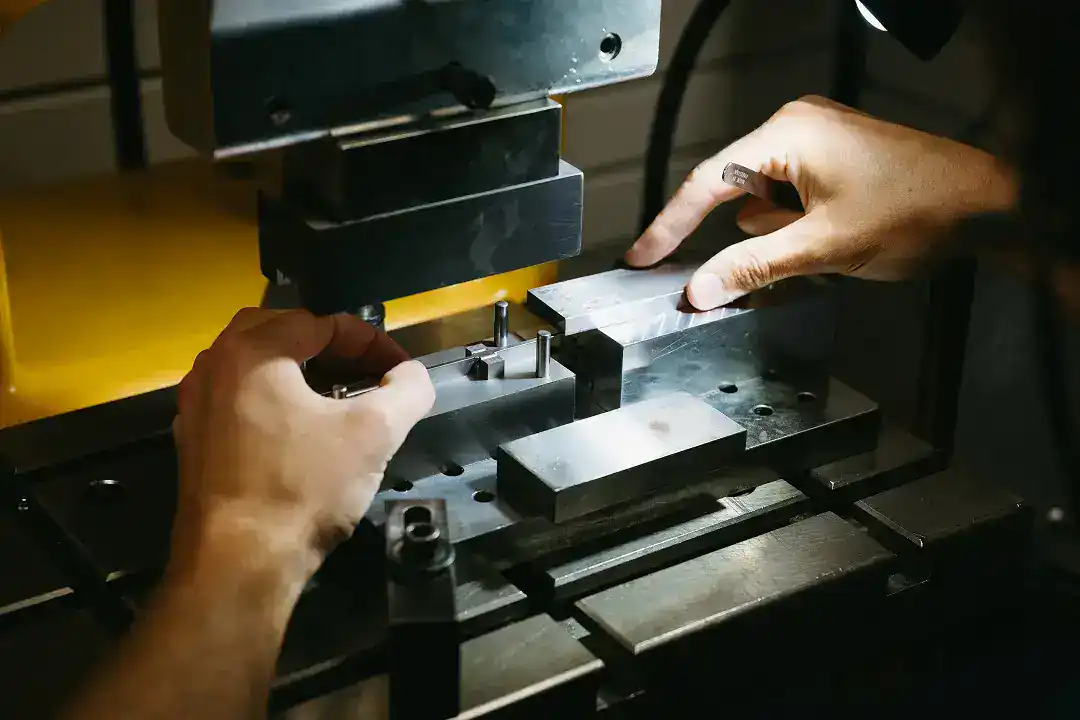
Micro Metal Components Built for Difficult Designs
Micro stamping is not just smaller metal stamping. Thin material can distort, formed features can change after release, and part handling can become as important as the forming step itself. Active's value is in combining equipment, tooling experience, and practical process development, so tiny parts can be evaluated as manufacturable metal components, not just shapes on a print.
Common fit factors include:
Thin gauges or foil-like metal that require careful forming control
Small tabs, bends, lances, clips, contacts, shields, brackets, and spring-like features
Prototype or short-run quantities before high-volume tooling makes sense
Designs that may need laser cutting, forming, welding, assembly, or inspection coordinated together
Production-intent samples for engineering validation, supplier review, or launch support
Active is not positioned as a commodity high-volume stamper. The best fit is difficult small metal stamping and precision micro stamping where the part needs experienced review, flexible equipment, and a realistic path from prototype to repeatable low-volume production.
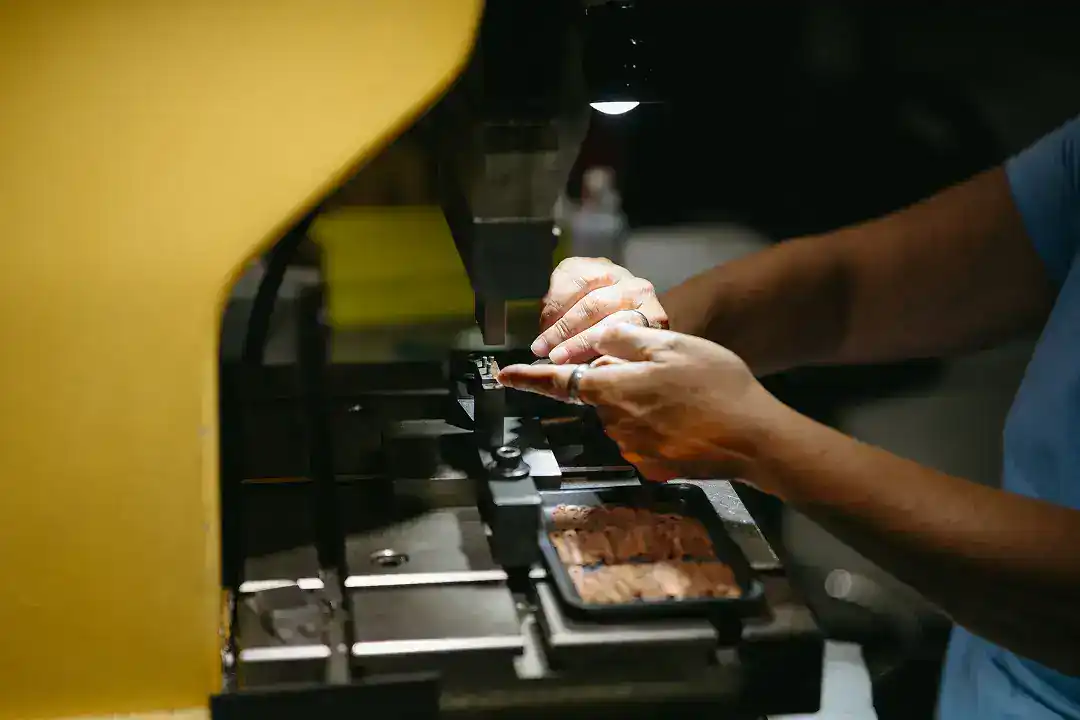
Thin Metal Forming and Material Range
Active has stamping and micro-forming experience down to approximately 0.001 to 0.002 inch material, while most work begins around 0.003 inch and thicker. Exact feasibility depends on the metal, temper, feature geometry, bend requirements, flatness expectations, tolerance stack, and how the part will be handled after forming.
Metal Forming and Material Requirements:
Material thickness
Whether the gauge can be formed without tearing, distortion, or handling damage
Feature size
Bend radii, tabs, slots, forms, holes, and edge conditions
Material type
Stainless steel, spring steel, cold rolled steel, copper alloys, brass, and other approved metals case by case
Quantity
Prototype, bridge, short-run, or recurring low-volume release needs
Inspection
Critical features, datums, measurement method, and documentation expectations
For early planning, use the materials and file formats guide to prepare STEP, IGES, PDF, material, quantity, and tolerance information before requesting a quote.
Process Development for Small Metal Stamping
Miniature parts often need more than a single forming operation. Active can review how the part should be blanked, cut, formed, fixtured, welded, inspected, and protected through handling. That process-first approach helps engineers avoid surprises when a design moves from concept to production-intent samples.
Prototype to Short-Run Thinking
Many customers come to Active before committing to permanent high-volume tooling. That is where prototype and short-run support can help validate geometry, material behavior, fit, function, and assembly sequence. Normal production lead-time expectations are approximately 3 to 4 weeks, with expedited work reviewed case by case.
Coordinated Micro Manufacturing Support
Depending on the part, the process path may include:
1
Micro metal forming or small metal stamping
2
Prototype tooling, fixtures, or forming aids
3
Laser cut blanks or fine-feature cut details
4
Micro welding, spot welding, or laser welding when joining is required
5
Secondary operations managed around the formed component
6
Inspection of Active-manufactured parts before shipment
If the part needs a joined feature, our laser welding and micro welding services can be considered during the same manufacturability review.
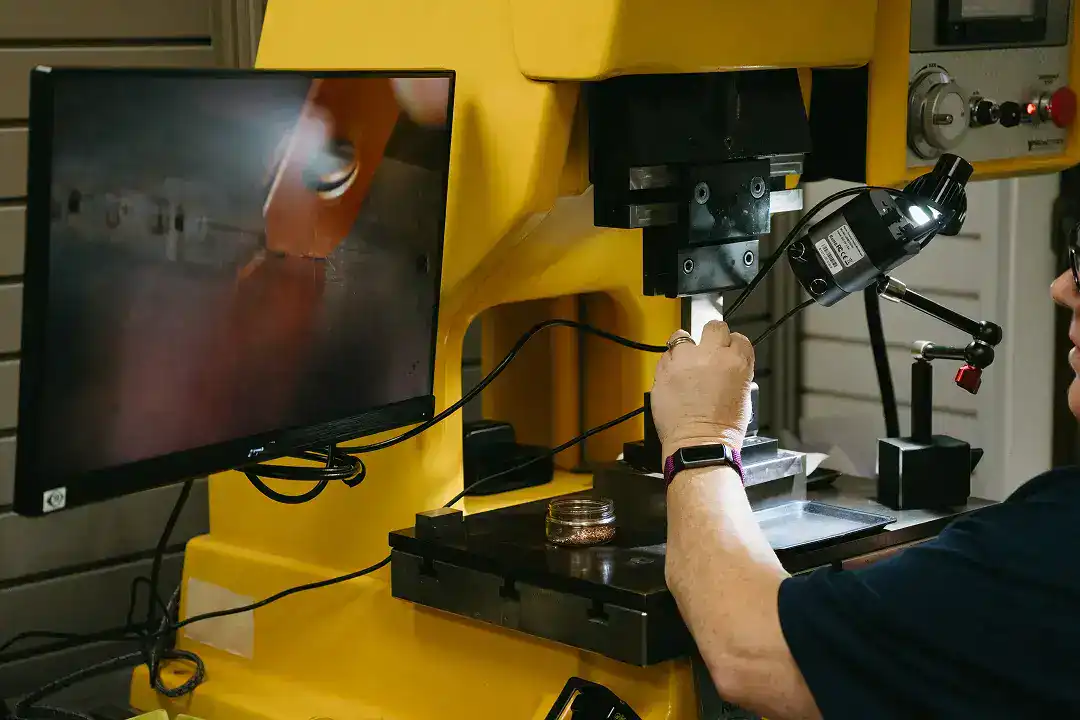
Inspection for Miniature Formed Features
Inspection for miniature metal components has to match the feature. A small bend, contact surface, tab, or formed profile may require visual, dimensional, microscope, profiler, comparator, CMM, or other inspection methods depending on the design. Active's inspection support is tied to parts the company manufactures, not positioned as a standalone third-party inspection bureau.
Before quoting, identify:
Part type or assembly type
Prototype, validation, bridge-production, or recurring release need
Target material, if known
Estimated quantity or release size
Important tolerance or critical-feature notes
Timing pressure or launch-support need
Whether the project involves NDA, ITAR, CUI, export-controlled, or otherwise controlled information
To understand the breadth of available processes, review the manufacturing capabilities and equipment list.
Applications for Micro Stamping
Before a meeting, use these resources to determine whether Active is the right kind of manufacturer:
Micro stamped and formed parts can support a wide range of programs, including medical device components, defense and controlled work, aerospace prototype parts, electronics and data center components, spring steel clips, automotive validation parts, robotics, drones, and specialty equipment. Active evaluates each opportunity based on material, geometry, quantity, compliance needs, and process fit.
The goal is not to promise that every micro part can be made. The goal is to give engineers a knowledgeable manufacturing partner that can review the design, identify risk, and recommend a practical production-intent path.
Micro Forming FAQs
What qualifies as a micro formed metal component?
A micro formed metal component is typically a small stamped or formed part with thin material, fine features, tight handling requirements, or geometry that makes conventional stamping review insufficient. The exact definition depends on the application, material, and inspection needs.
How thin can material be for micro forming?
Active has experience with stamping and micro-forming work down to approximately 0.001 to 0.002 inch material. Most work begins around 0.003 inch and thicker. Final feasibility depends on the material, temper, shape, and tolerance requirements.
Which metals are suitable for micro stamping?
Suitable metals may include stainless steel, spring steel, cold rolled steel, copper alloys, brass, and other approved metals. Material selection should be confirmed during RFQ review because thin metal forming behavior changes with alloy, temper, thickness, and feature geometry.
How are miniature formed features inspected?
Miniature formed features may be checked with visual, dimensional, microscope, profiler, comparator, CMM, or other inspection methods depending on the part. Active reviews the drawing, datums, tolerances, and critical features to determine an appropriate inspection approach for the parts it manufactures.
Still have questions?
If you have other questions that weren’t answered here, feel free to send us a message. We're happy to assist you and provide the information you need.
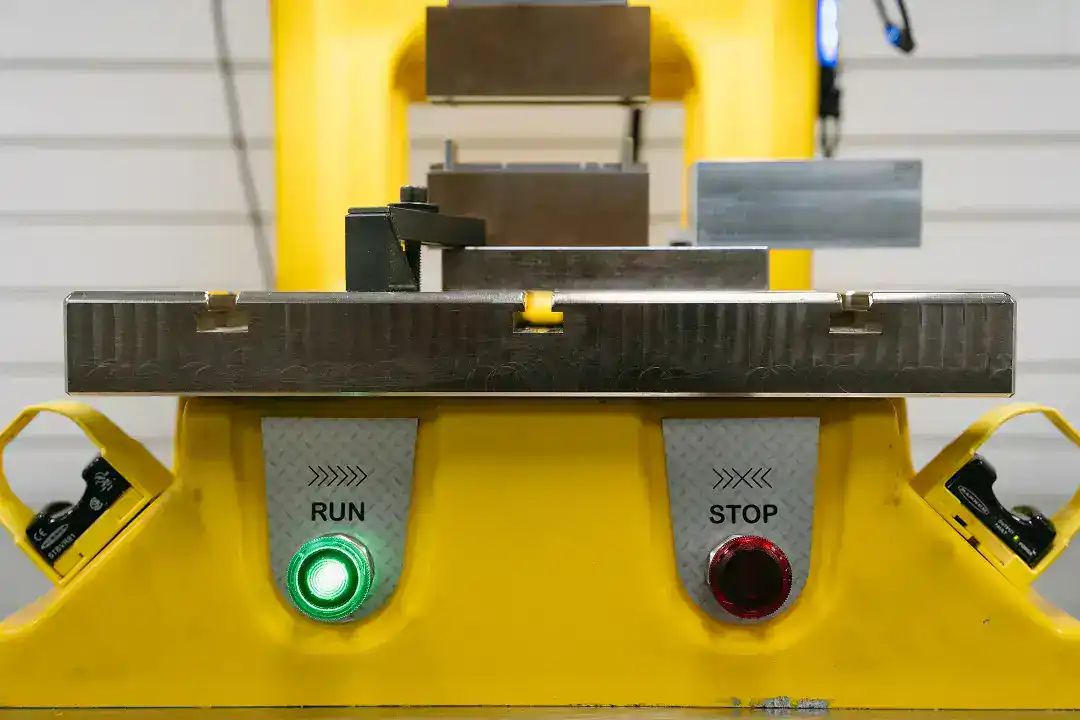
Micro Metal Stamping RFQ
If your part is thin, small, difficult to handle, or not a fit for ordinary stamping suppliers, Active can review the drawing and help determine the next step. Include material, thickness, quantity, CAD or PDF files, key tolerances, and any secure-transfer requirements.
Request a quote for micro stamping support