
Custom Metal Prototyping for Difficult Parts
Functional, production-minded metal prototypes for engineers, OEMs, sourcing teams, and program managers who need difficult parts made correctly before production decisions are locked in.
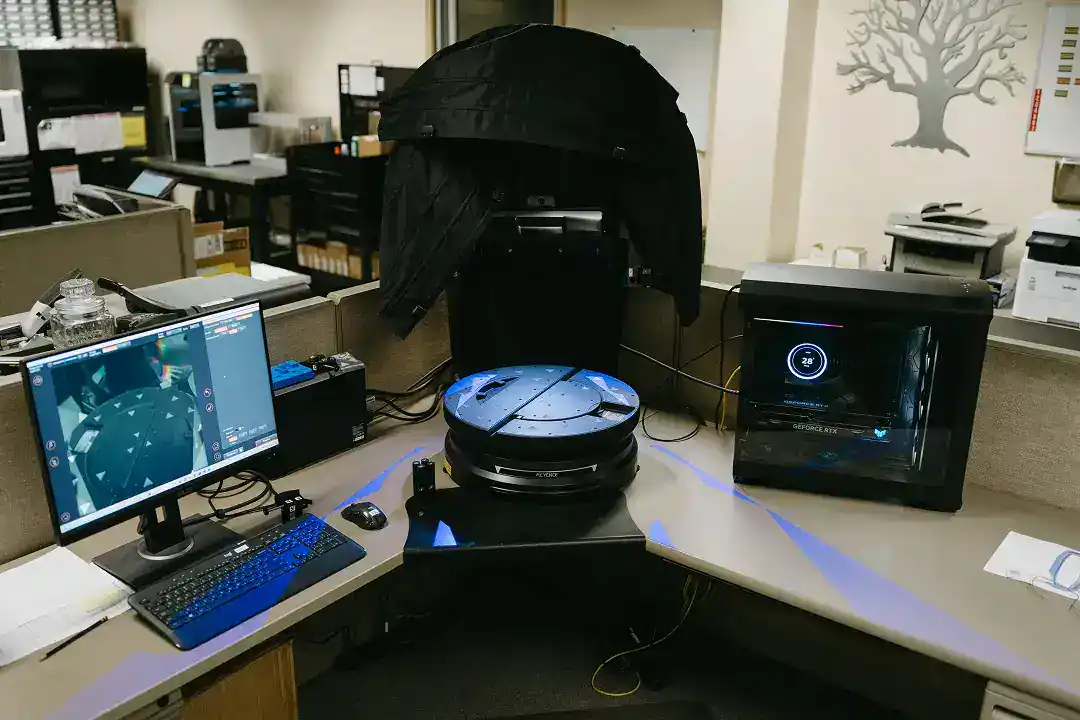
Prototype Metal Parts Built for Real-World Use
Custom metal prototyping is most valuable when the prototype answers the same questions production will need to answer: Can the material form correctly? Will the features hold? Can the part be joined, inspected, and repeated? Can the design survive functional testing?
Active focuses on metal prototype parts that need practical manufacturing input, not commodity sheet metal work. Many projects come to us when a design is intricate, urgent, process-dependent, very small, larger than expected, or difficult for a standard supplier.
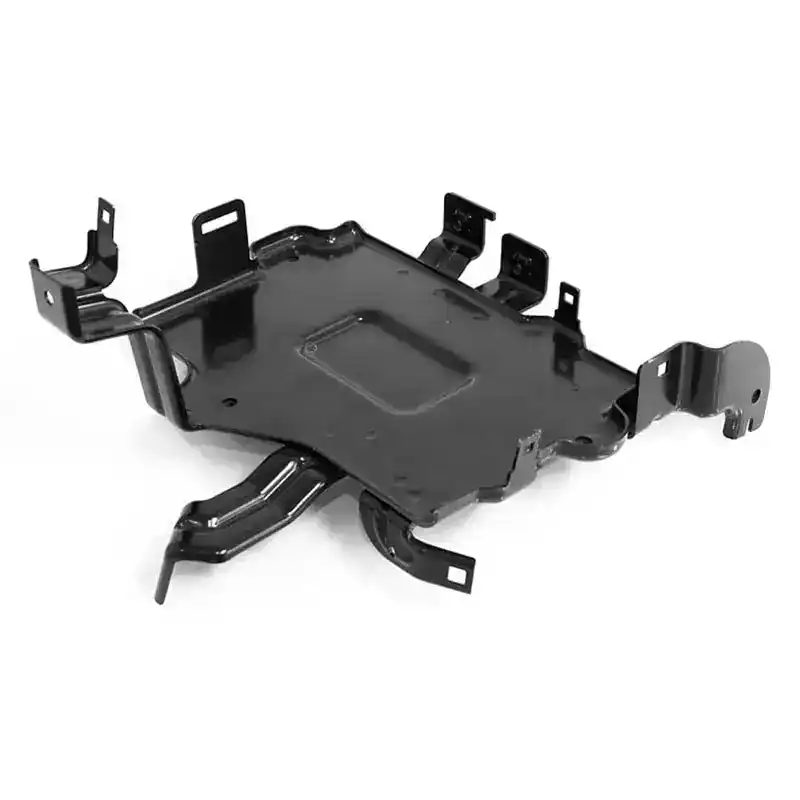
Built Around Real-World Questions
The prototype should help engineering and sourcing teams evaluate material behavior, feature stability, joining, inspection, repeatability, and functional performance before the next manufacturing decision.
TYPICAL PROTOTYPE NEEDS INCLUDE:
01
Proof-of-concept and functional metal prototypes for fit, test, and validation
02
Sheet metal prototypes developed with production-minded processes
03
Prototype stampings, formed parts, clips, brackets, and flat spring-style components
04
Laser cut, micro laser cut, EDM, machined, welded, or assembled prototypes
05
Reverse-engineered parts and early builds for supplier evaluation, launch planning, or bridge production
From Concept to Production-Intent Prototypes
A prototype is often the first step toward a larger manufacturing plan. Active helps customers build production-intent prototypes that reflect the material, geometry, and process path likely to be used later. That approach helps engineering and sourcing teams reduce surprises before committing to tooling, repeat releases, or larger supplier programs.
FOUR STAGES / WHAT ACTIVE HELPS PROVE
01 — Concept validation
Whether the part can be made in metal and reviewed physically
02 — Functional testing
Fit, form, strength, joining, and assembly behavior
03 — Production-intent review
Material, process, tolerance, and repeatability considerations
04 — Launch or supplier support
Early parts before final tooling or production sourcing is ready
Explore the full process range on our equipment and manufacturing capabilities page, or see how we support short-run and low-volume production.
Capabilities Behind the Prototype
Active is not a single-process prototype shop. Our Spring Lake, Michigan facility combines precision stamping and forming, micro forming, laser cutting, welding, wire EDM, CNC milling, tooling, assembly, managed secondary operations, and inspection.
This coordinated process path matters when a difficult part cannot be solved by one operation alone. The team can plan forming, trimming, joining, machining, tooling, and inspection together instead of requiring the customer to manage several suppliers.
Materials, Files, and Quote Inputs
For the fastest prototype review, provide STEP, IGES, or PDF files when available, along with the intended material, quantity, critical tolerances or fit requirements, finish or secondary-operation notes, and target timing.
Active can often begin with a drawing, CAD model, or physical sample. Include whether the work is confidential or controlled and whether the prototype is expected to continue into short-run or repeat production.
Quality and Inspection for Prototype Work
QUALITY CONTROLS / REVIEW POINTS
ISO 9001:2015
Certified manufacturer
A quality-system foundation for custom prototype and metal manufacturing work.
ITAR registration
Registered manufacturer
An important trust anchor for defense, aerospace, and controlled project work.
Inspection scope
Part-appropriate
Dimensional checks, critical-feature review, and documentation aligned to the drawing and project.
Quote-stage requirements
Reviewed and accepted
DFARS clauses, PPAP, SPC, inspection records, and customer requirements are confirmed during quoting.
Certification boundaries
Clearly stated
Active does not hold AS9100, NADCAP, CMMC, or ISO 13485 certification.
Prototype speed is only useful when the part answers the right technical question. Active supports prototype work with inspection and quality control appropriate to the part, drawing, and customer requirement.
Project-specific quality, documentation, and compliance requirements are included only when reviewed and accepted for the order.
What Makes a Prototype a Good Fit
Active is best suited for difficult metal parts where speed, process knowledge, and quality matter more than commodity pricing. Strong-fit projects include tight or intricate features, hard-to-handle components, coordinated forming, welding, machining or assembly, production-minded design feedback, confidential programs, and parts that have challenged other suppliers.
Usually Not the Best Fit
Simple commodity fabrication, basic 90-degree bends, plastic prototypes, high-volume price-shopping, or parts that any local fabricator can make cheaply are usually better served elsewhere. Active adds the most value when a difficult part benefits from specialized equipment, experienced people, coordinated processes, and a clear path toward short-run production.
Custom Metal Prototyping FAQs
What information is needed to quote a custom metal prototype?
A useful RFQ includes your name, company, email or phone, material, quantity, drawing or CAD file, target timing, and any critical tolerance, finish, or secondary-operation notes. If controlled information is involved, request secure-transfer coordination rather than uploading the file through the public form.
Can Active manufacture from a STEP file, drawing, sample, or sketch?
STEP, IGES, and PDF files are the most commonly used preferred formats. Active can also review drawings and existing physical samples. A sketch may help start the conversation, but enough dimensional, material, and functional information is usually needed before quoting or manufacturing.
How long does a custom metal prototype take?
Timing depends on material, complexity, tooling or fixture needs, outside processes, and current schedule. Active's confirmed normal production lead-time expectation is approximately 3 to 4 weeks, with expedited work reviewed case by case.
Can a prototype use the same material and process planned for production?
Yes, when the design, material availability, budget, and timeline support it. Active often builds functional and production-intent prototypes so engineers can evaluate real material behavior, forming, joining, machining, inspection, and repeatability before moving toward short-run production.
Start a Metal Prototype RFQ
If your design needs more than a generic prototype supplier, Active Manufacturing can help evaluate the part, process path, material, and next manufacturing step. Send the available files and project details, or request secure-transfer coordination for controlled work.Next step: request a metal prototype quote and include your drawing, CAD file, material, quantity, and timing goals.