
Bridge Production and Manufacturing Launch Support
Bridge Production When Launch Timing Cannot Wait
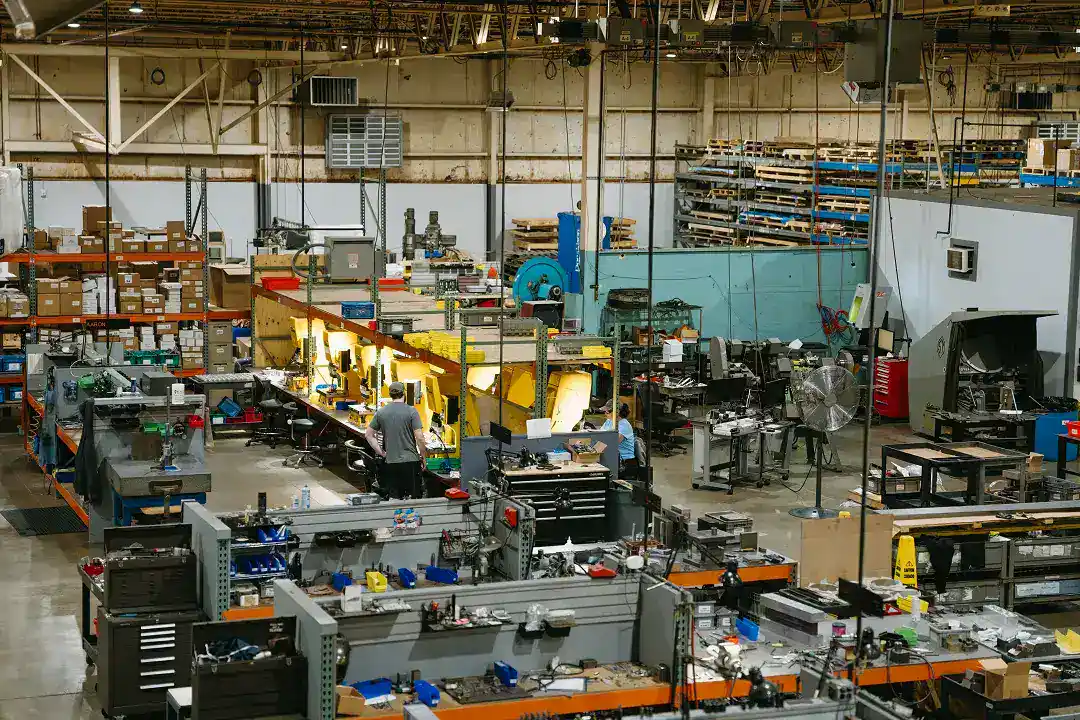
Bridge production helps manufacturers keep a program moving when the permanent production path is not ready yet. Active Manufacturing supports engineers, OEMs, Tier suppliers, and sourcing teams that need production-intent metal parts during tooling delays, design changes, supplier disruptions, and early product launches.
If your team has a drawing, CAD model, material requirement, quantity target, and need date, Active can help evaluate a practical production bridge path. Start with a custom metal parts quote, or compare this service with our custom metal prototyping support if your design is still in earlier validation.
What Bridge Production Solves
Bridge manufacturing is useful when the final production tool, automated line, or long-term supplier is not ready, but the program still needs parts. The goal is not to replace full-scale production forever. The goal is to supply usable, production-intent parts while the permanent process catches up.
Active is a strong fit when the part requires more than one coordinated metal process and when commodity fabrication is not enough.
Common triggers include:
1
Delayed progressive dies, fixtures, or dedicated metalworking tooling
2
Engineering changes during launch
3
A supplier that cannot support timing or complexity
4
Pilot production runs before a full release
5
Interim production for validation, qualification, or early builds
6
Tooling delay parts needed to keep a customer program moving
7
Pre-production parts for launch teams, test builds, and controlled releases
Built for Production-Intent Metal Parts
Bridge production sits between prototype work and recurring low-volume manufacturing. The parts usually need to be closer to the final design, material, function, and inspection expectations than a rough prototype. That can include formed features, laser-cut blanks, welded details, machined features, EDM work, small assemblies, or managed secondary operations.
Active's value is the combination of skilled people and available equipment. The team is used to difficult custom metal parts where manufacturability, timing, and quality all matter. For longer-running release patterns, see our short-run and low-volume metal production page.
How Active Supports Launch Programs
Flexible process planning
A production bridge may use temporary tooling, soft tooling, manual or semi-automated operations, prototype tooling, or a revised process path. Active can help evaluate what makes sense for the quantity, material, geometry, and schedule.
Multiple processes under one roof
Bridge and launch support manufacturing often fails when too many suppliers must be coordinated at once. Active can combine stamping and forming, laser cutting, micro laser cutting, laser welding, resistance welding, wire EDM, EDM hole drilling, CNC milling, assembly, and inspection depending on the part requirements.
Formed or stamped bridge parts
Prototype and short-run stamping/forming support
Flat or fine-feature blanks
Conventional and micro laser cutting
Tight details or tooling features
Wire EDM, EDM hole drilling, and CNC milling
Joined components
Laser welding, resistance welding, micro welding, and assembly
Launch documentation support
Inspection built into Active-manufactured parts
For projects where the manufacturing method itself needs development, review our tooling and fixture development capabilities.
Bridge Production vs. Prototyping vs. Short-Run
These stages often overlap, but they serve different buyer needs.
Prototype
Best Use: Prove design, fit, form, and function
Focus: Speed, iteration, manufacturability learning
Bridge production
Best Use: Cover a gap before the permanent process is ready
Focus: Speed, iteration, manufacturability learning
Short-run production
Best Use: Support recurring low-volume releases
Focus: Repeatability, controlled releases, efficient low-volume output
A production bridge is usually more controlled than a one-off prototype, but less permanent than a dedicated high-volume production process. It is useful when your team needs real parts while the final tool, supplier, or process is still being completed.
What to Send for a Bridge RFQ
The more complete the RFQ, the faster Active can evaluate fit, timing, and process options. Helpful details include:
Do not upload controlled files through a standard public form. Use the RFQ to request secure-transfer coordination when needed.
Common project triggers include:
STEP, IGES, PDF, or available drawing files
Material and thickness requirements
Quantity needed for the first bridge release
Expected future release quantity, if known
Need date or launch timing
Critical features, tolerances, or inspection concerns
Finish, heat treat, plating, or secondary-operation requirements
Whether the file is confidential, ITAR-controlled, CUI, or otherwise requires secure transfer
Quality, Confidentiality, and Fit
Active Manufacturing is an ISO 9001:2015 certified and ITAR registered U.S. manufacturer. Bridge production work is evaluated with the same practical manufacturing mindset used for prototypes and low-volume releases: make the part correctly, protect customer information, and avoid overpromising where a permanent production process is the better long-term answer.
Inspection is part of the manufacturing process for parts Active produces. Learn more about inspection and quality control when launch timing requires dimensional checks, critical-feature review, or documented quality expectations.
Frequently Asked Questions
When should a manufacturer use bridge production?
Use bridge production when a program needs production-intent parts before the long-term production tool, supplier, or process is ready. It is commonly used during launch delays, engineering changes, urgent validation builds, and early customer releases.
Can bridge production cover a delayed production tool?
Yes, when the part geometry, quantity, material, and timing fit Active's capabilities. Active can evaluate temporary tooling, alternate processes, or short-run methods to support tooling delay parts while the permanent tool is completed.
How is bridge production different from prototyping?
Prototyping usually focuses on proving the design. Bridge production focuses on supplying usable parts during a gap between prototype approval and full production readiness. Bridge parts often need more production-intent materials, features, and inspection expectations.
Can parts be revised during an early production launch?
Often, yes. One benefit of interim production is that the process can support controlled changes before a final production path is locked in. Active can review revised drawings or CAD files and help determine whether the change affects tooling, timing, or inspection.
Still have questions?
If you have other questions that weren’t answered here, feel free to send us a message. We're happy to assist you and provide the information you need.
Production Bridge Conversation
If your launch is at risk because tooling, supplier capacity, or design changes are not aligned with the schedule, Active can help determine whether bridge production is the right path.
Send the part files, material, quantity, and timing through the Request a Quote page. Active will coordinate next steps, including secure-transfer needs when controlled information is involved.