Precision Laser and Micro Welding for Metal Parts
Active Manufacturing provides laser welding services for engineers, OEMs, Tier suppliers, R&D teams, and purchasing groups that need precision metal parts joined with the right balance of strength, heat control, geometry, and repeatability. Our work is focused on custom metal prototypes, short-run production, low-volume releases, and welded assemblies where the joining method matters as much as the part design.
Because Active supports more than one metal process under one roof, welding can be evaluated alongside micro laser cutting and fine-feature metal cutting, forming, machining, assembly, and inspection. That helps customers avoid sending small or difficult components through multiple disconnected suppliers.
Need a welded prototype, micro component, or short-run assembly reviewed? Send an RFQ with your drawing, material, quantity, and any critical joint notes.
Precision Welding for Difficult Metal Parts
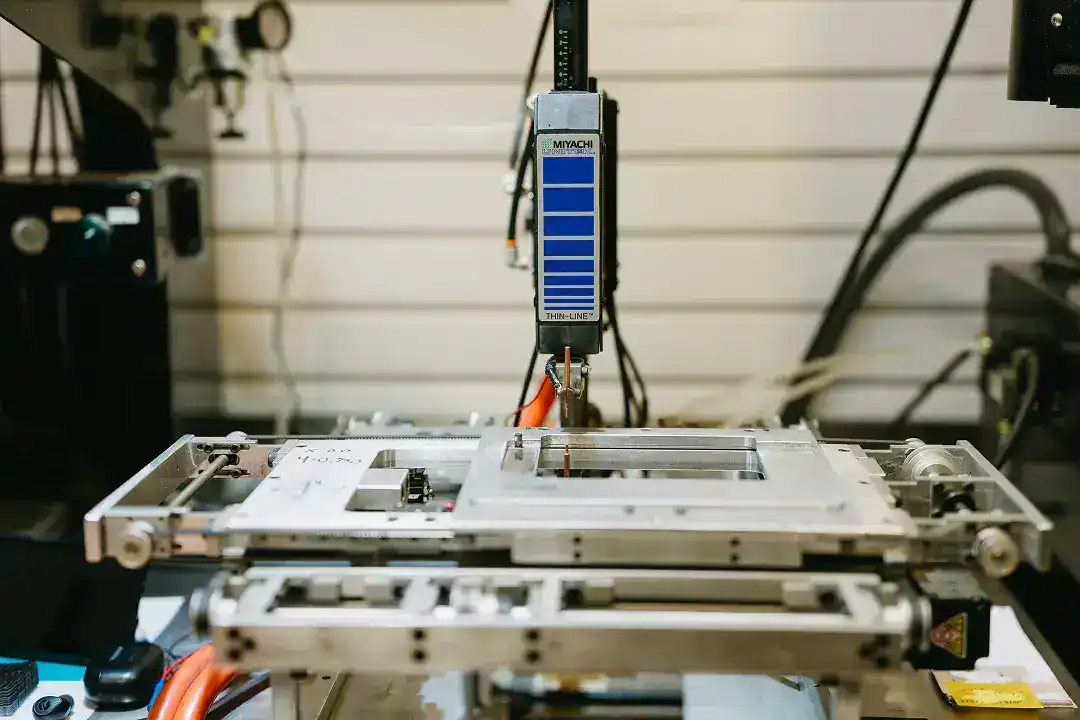
Laser welding is often selected when a part requires concentrated heat input, a controlled weld area, or a cleaner joint than a broader manual process may provide. For small features, thin materials, tight packaging, or sensitive geometry, precision laser welding can help join metal components while limiting unnecessary heat exposure to the surrounding part.
Active also supports related welding and joining methods, including micro laser welding, micro spot welding, resistance spot welding, MIG, TIG, radial riveting, and metal assembly operations. The goal is not to force every project into one process. The goal is to choose the joining method that fits the material, thickness, joint design, tolerance needs, and production intent.
Common fit factors include:
2
Joint access and weld location
3
Required strength or electrical continuity
4
Heat sensitivity of nearby features
5
Cosmetic and functional weld expectations
6
Prototype, bridge, or recurring short-run quantity
7
Inspection and assembly requirements
Laser, Micro, and Spot Welding Options
Laser welding
Laser welding can be a strong option for precision metal joints where heat input, weld placement, and part distortion need to be controlled. It is often useful when the part geometry is small, the weld needs to be localized, or the component must move from prototype validation into short-run production.
Micro welding services
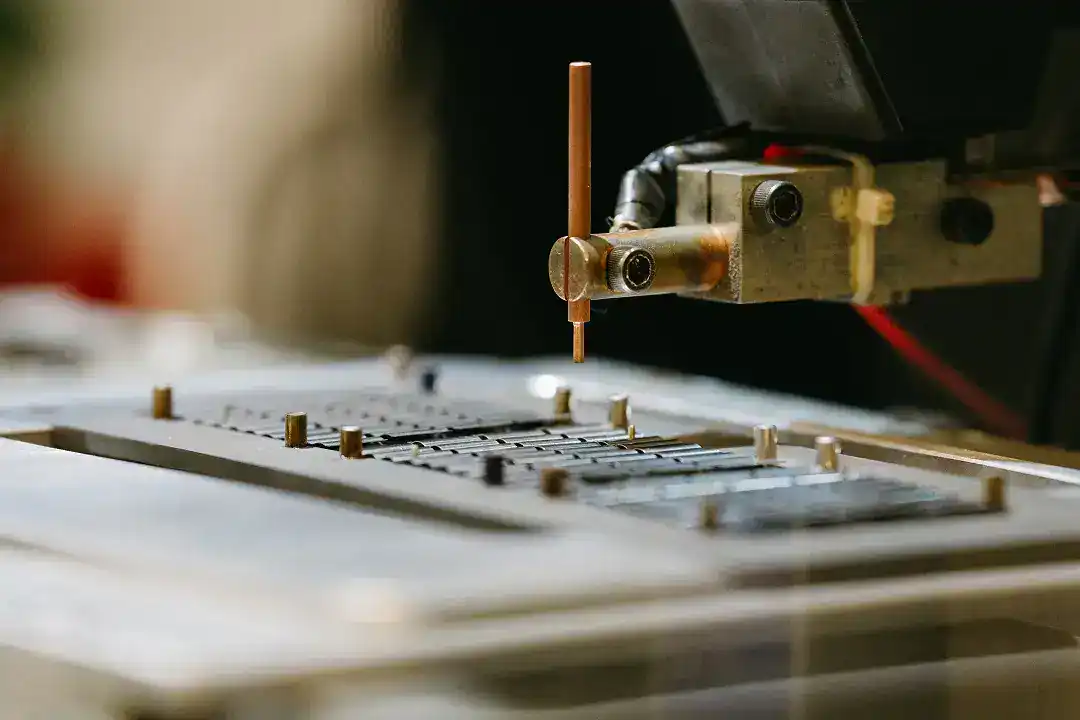
Micro welding services are used for small component welding, fine features, miniature brackets, clips, contacts, and other metal components where standard joining methods may be too broad or too aggressive. Exact feasibility depends on the material, thickness, access, joint design, and the required function of the weld.
Resistance spot welding
Resistance spot welding and micro spot welding can be appropriate when the joint design, material stack-up, and production need support a spot-welded connection. For some parts, spot welding may be more efficient than laser welding. For others, a laser weld may provide better access or more localized control.
Thin Metal Welding and Small Components
Thin metal welding requires careful review because small changes in material condition, edge fit, overlap, or part handling can affect weld quality. Active's broader manufacturing capability is valuable here. Parts may be laser cut, micro laser cut, stamped, formed, machined, welded, riveted, assembled, and inspected without turning the project into a multi-supplier coordination problem.
This is especially useful for prototype and low-volume programs where the first design may still be changing. If the weld joint needs to be improved, our team can discuss manufacturability and process path options before the project moves into the next release.
Active's welding support is commonly relevant to:
Prototype metal parts that need functional joining
Small brackets, clips, tabs, and contacts
Thin stainless, steel, and other approved metal components
Medical, electronics, defense, aerospace, automotive, and specialty industrial parts
Welded subassemblies for short-run or low-volume manufacturing
Components that also require metal assemblies and secondary operations
How We Select the Welding Process
The best welding process depends on the part. A laser weld may be the right answer for a narrow heat-affected zone or limited access. TIG may be appropriate for certain larger or accessible joints. Resistance spot welding may be better for qualifying material stacks and repeatable contact points. Radial riveting may be the better choice when the design calls for mechanical fastening rather than a welded joint.
During review, Active looks at the drawing, material, thickness, joint geometry, tolerance expectations, quantity, and production need. If the weld is part of a larger manufacturing path, we also consider how cutting, forming, machining, finishing, assembly, and inspection and quality control will affect the finished component.
That collaborative review is especially important for custom metal prototyping, where an engineer may need production-intent parts before final tooling, validation, or low-volume release.
From Welded Prototype to Short-Run Assembly
Many welded components start as prototypes and later become short-run or low-volume releases. Active is built for that transition. Our flexible equipment mix and experienced team help customers move from an initial welded sample to repeatable production support without assuming the project belongs in a high-volume commodity environment.
For assemblies, Active can coordinate related operations such as cutting, forming, welding, riveting, managed secondary operations, and inspection for parts we manufacture. When finishing or specialized secondary operations are required, Active coordinates approved work through qualified partners and incorporates those steps into the manufacturing plan. These operations are not presented as in-house finishing services.
FAQ: Laser Welding and Micro Welding
When is laser welding better than TIG or resistance welding?
Laser welding may be better when the part needs localized heat input, fine weld placement, limited distortion, or access to a small joint area. TIG or resistance spot welding may be better for other joint types, material stacks, or production needs. Active reviews the drawing and application before recommending the process.
What metals and thicknesses can be micro welded?
Micro welding feasibility depends on the metal, thickness, geometry, access, and joint function. Active works with many metals, but exact weldability and thickness limits should be confirmed from the drawing, material specification, and part requirements before quoting.
How does joint design affect laser weld quality?
Joint design affects fit-up, access, penetration, strength, cosmetic appearance, and repeatability. Edge condition, overlap, gap, part restraint, and weld location can all influence the result. Early design review can help reduce weld risk before prototype or short-run production.
Can welded components be inspected and delivered as finished assemblies?
Yes, welded components can often be inspected and delivered as assemblies when Active manufactures the parts and the inspection requirements are defined. Required inspection documentation, finish requirements, and acceptance criteria should be included with the RFQ.
Still have questions?
If you have other questions that weren’t answered here, feel free to send us a message. We're happy to assist you and provide the information you need.
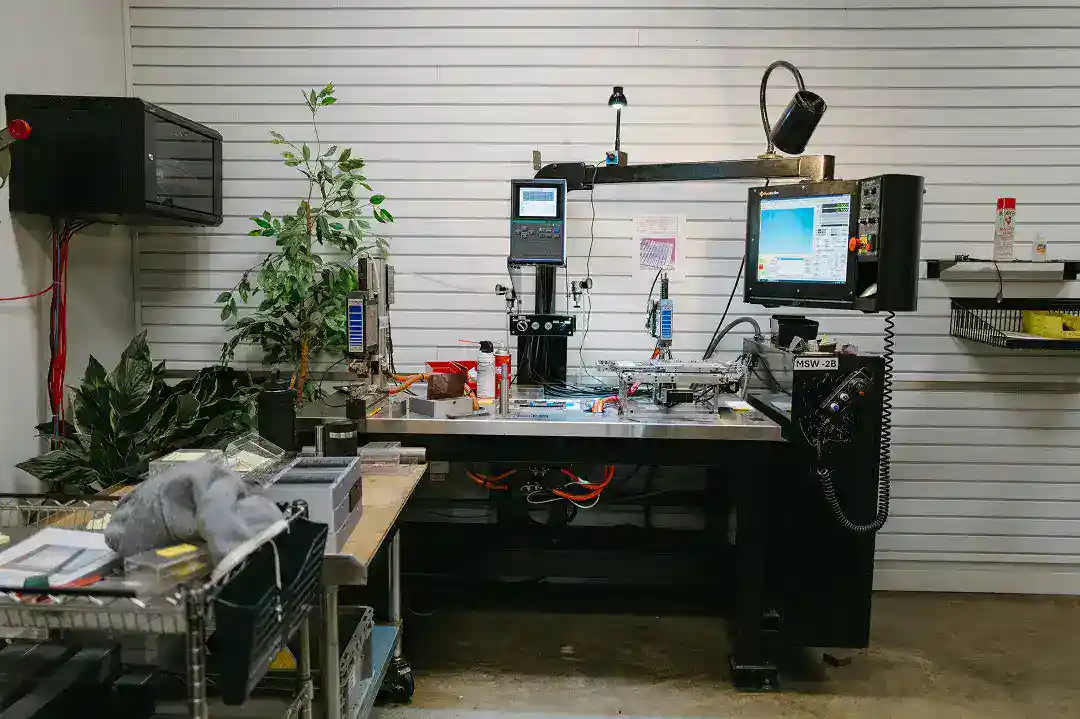
Welding Review
If your part requires laser welding, micro laser welding, micro spot welding, or another joining method, send the drawing package for review. Include the material, thickness, quantity, expected function, critical weld notes, and any inspection requirements.
For controlled, ITAR, CUI, or confidential files, do not upload sensitive documents through a standard public form. Use the RFQ to request secure-transfer coordination.
Ready to discuss a precision welded metal part? Request a custom metal parts quote and Active will review the process fit.